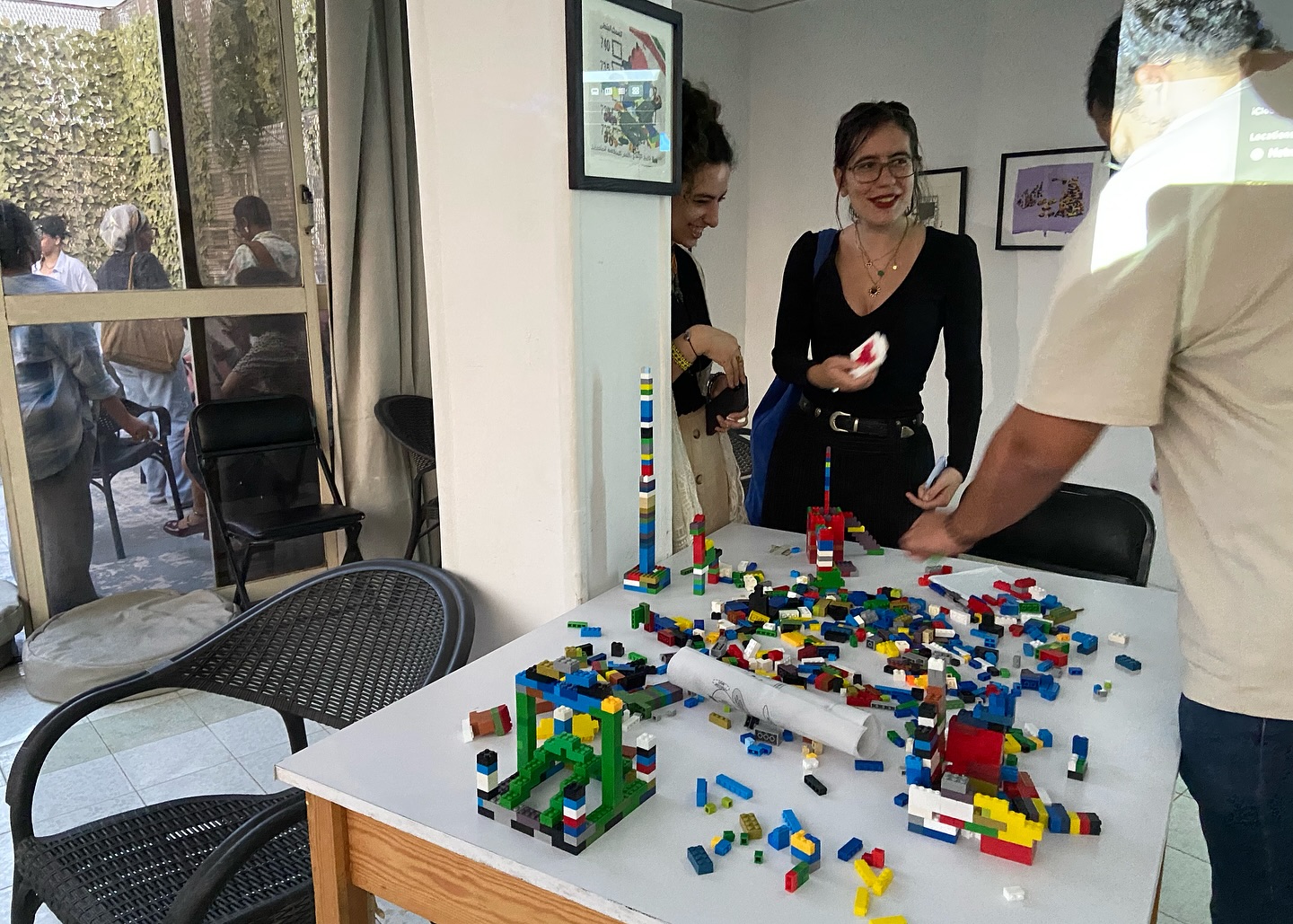
Imagination and Resilience – 1 September – 26 November 2026
Deadline for applications: 11 August 2026
Applications should be submitted through the following link: https://forms.gle/wScw3GpVYB6zk5USA
Results announced: 18 August 2026
A project by Ismail Fayed in partnership with Medrar and ARD Art Institution as part of Roznama 10 – Studio Program’s parallel tracks.
About the Program
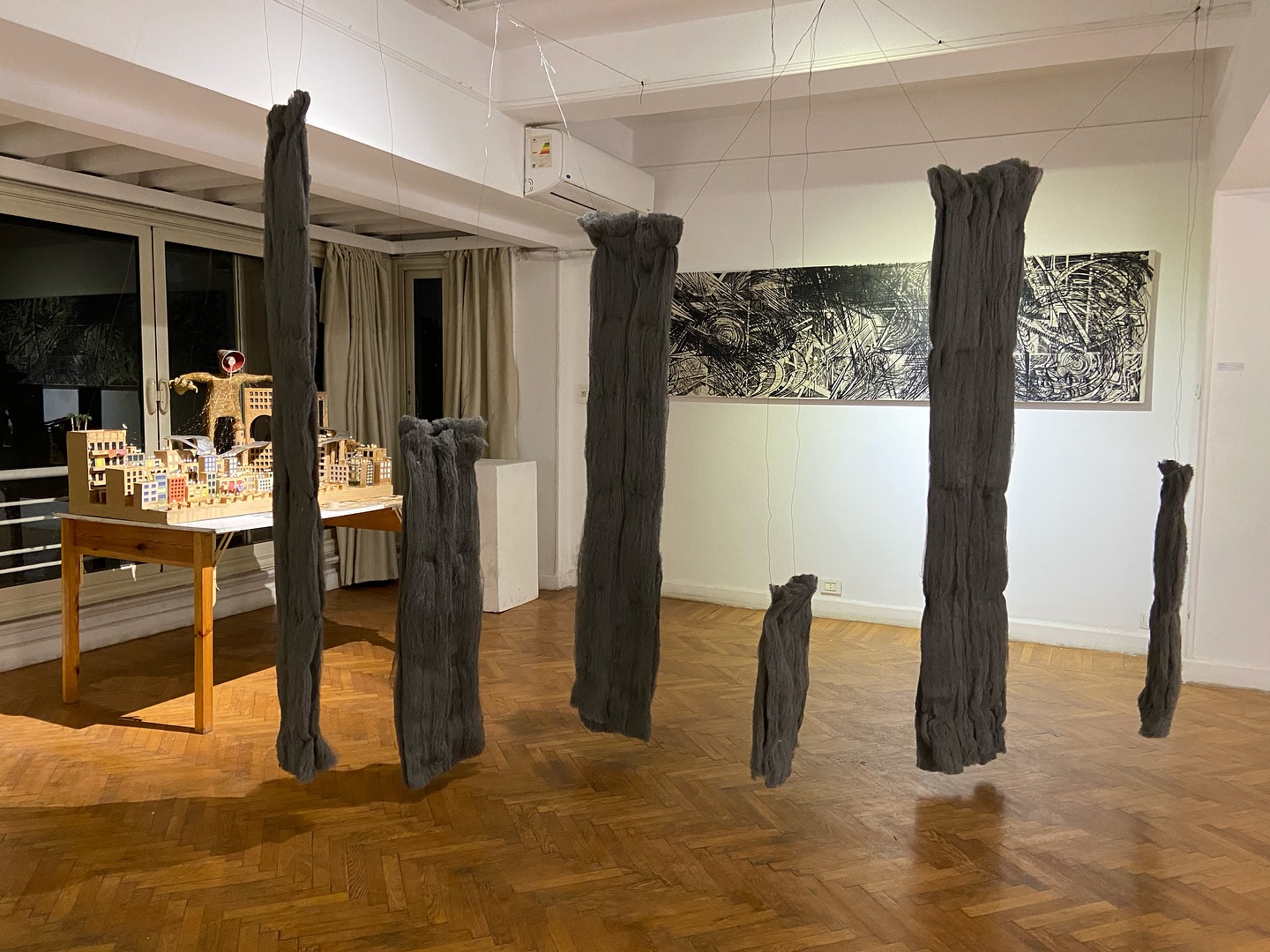
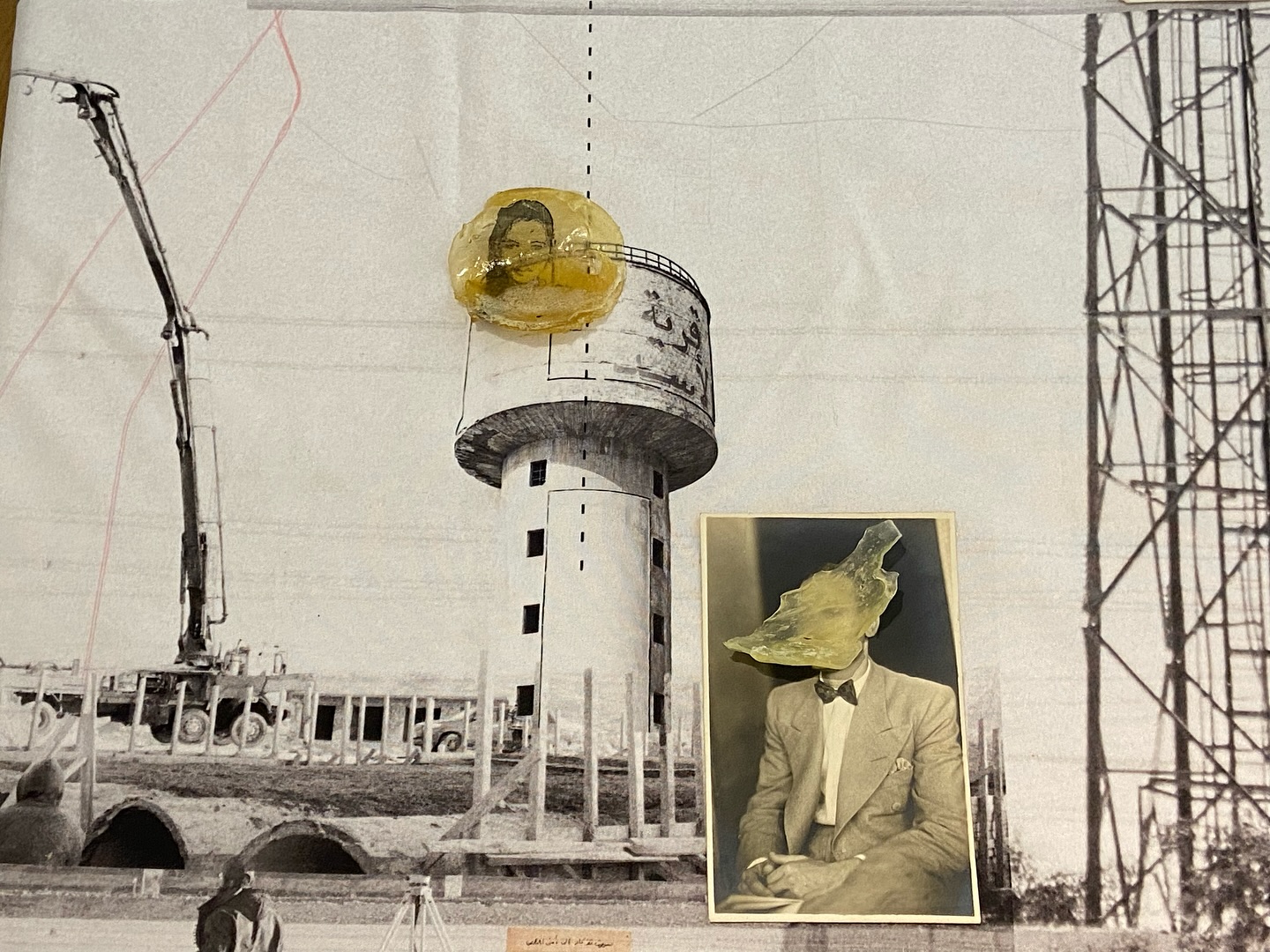
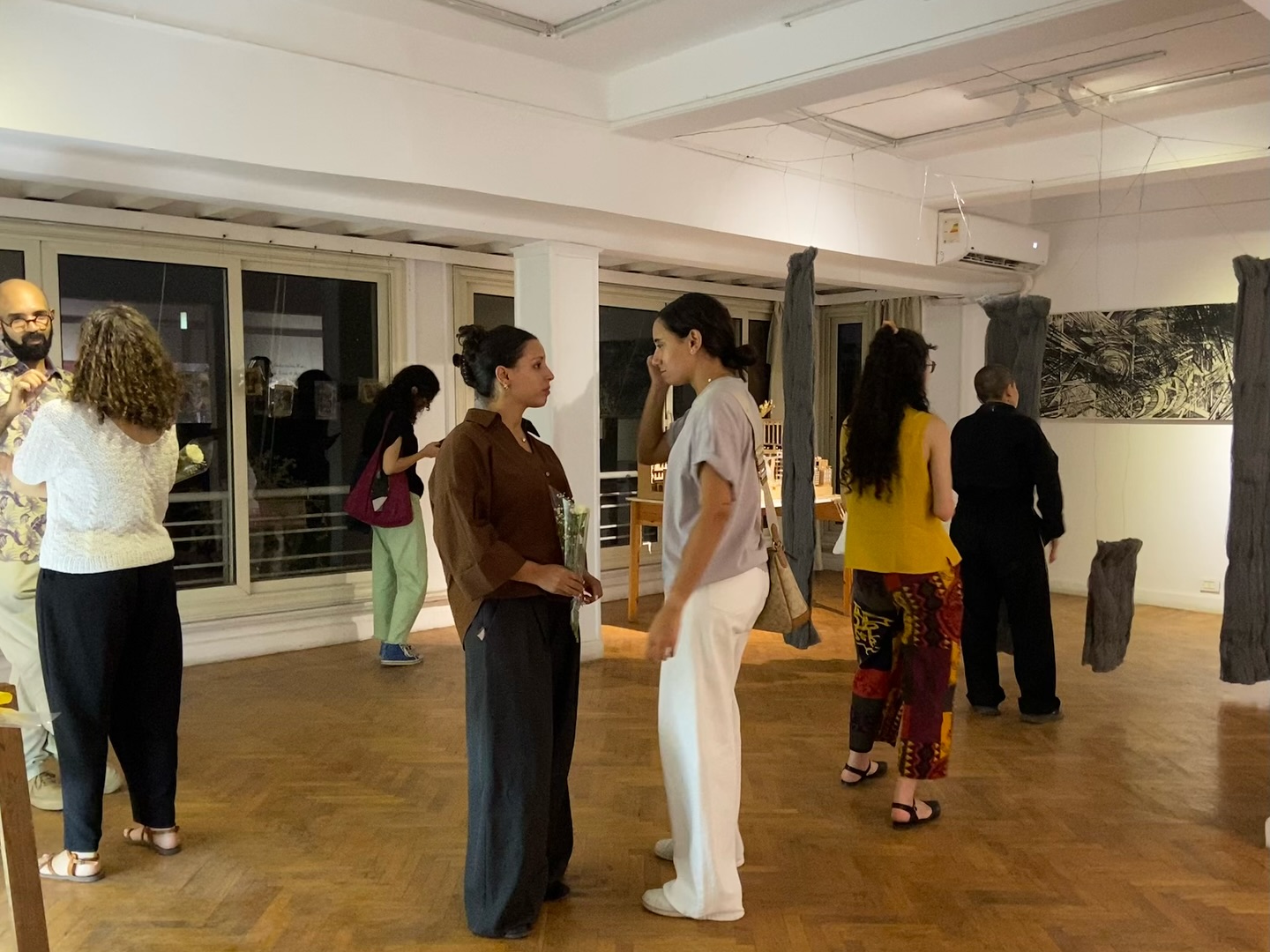
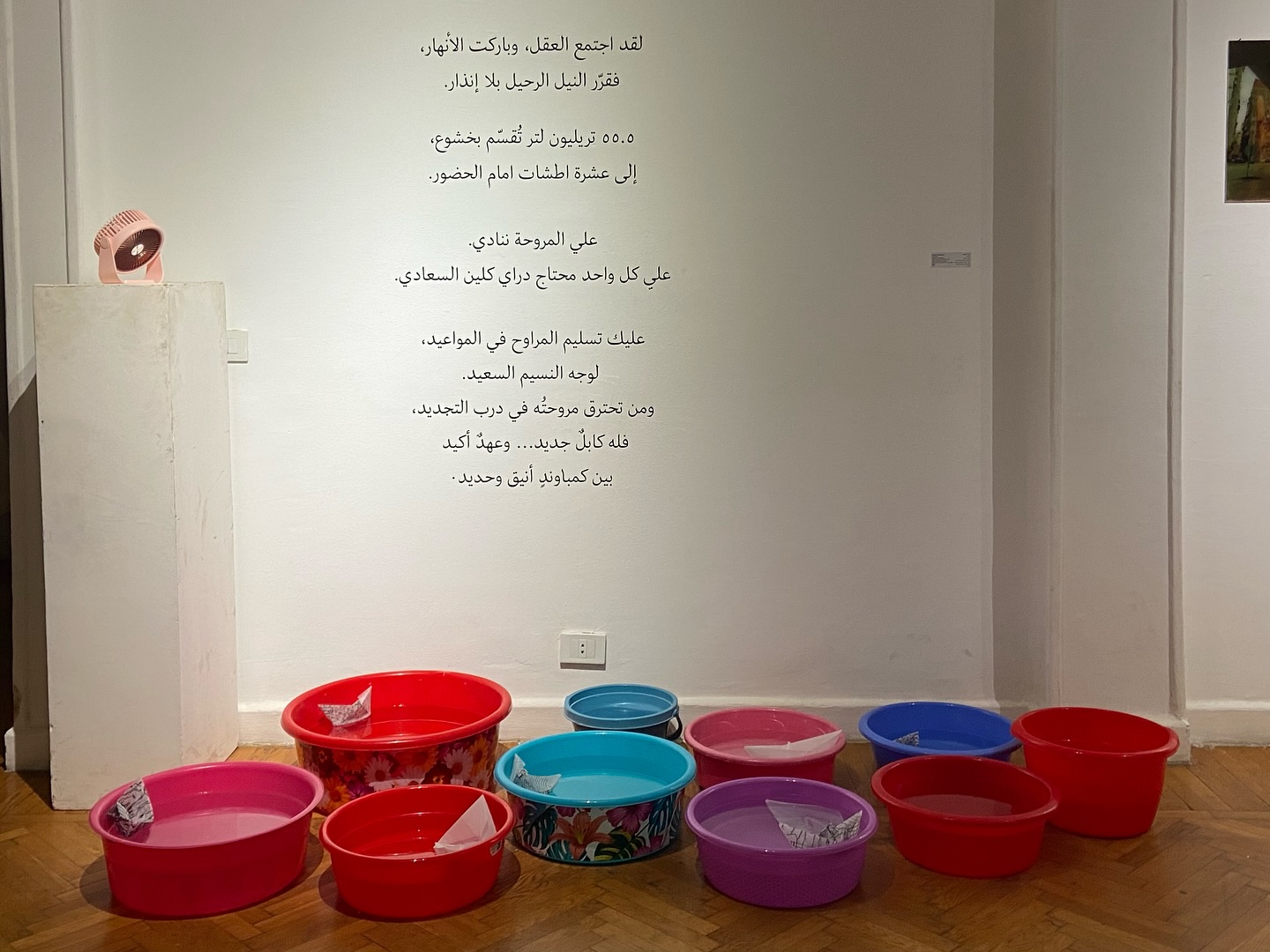
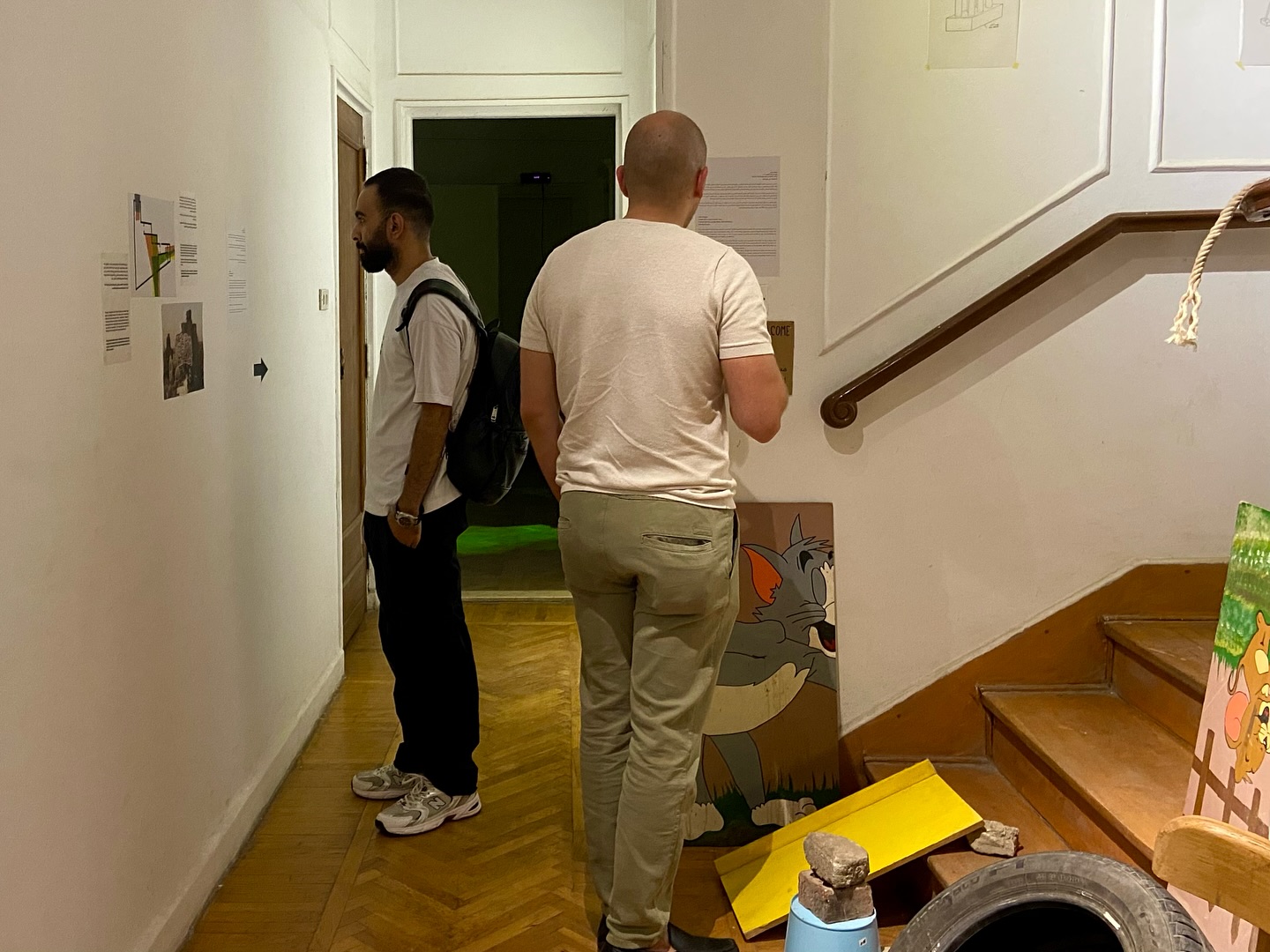
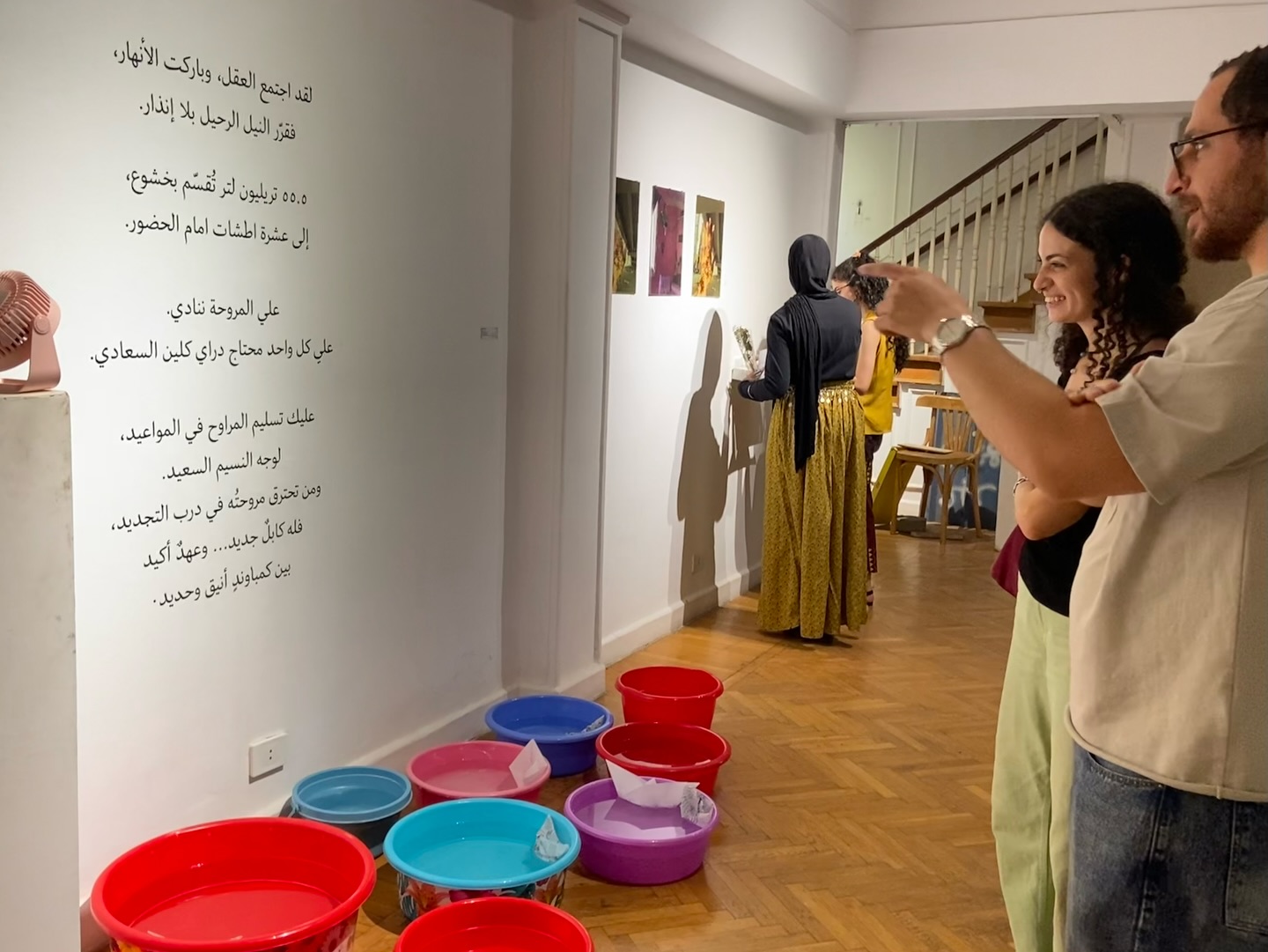
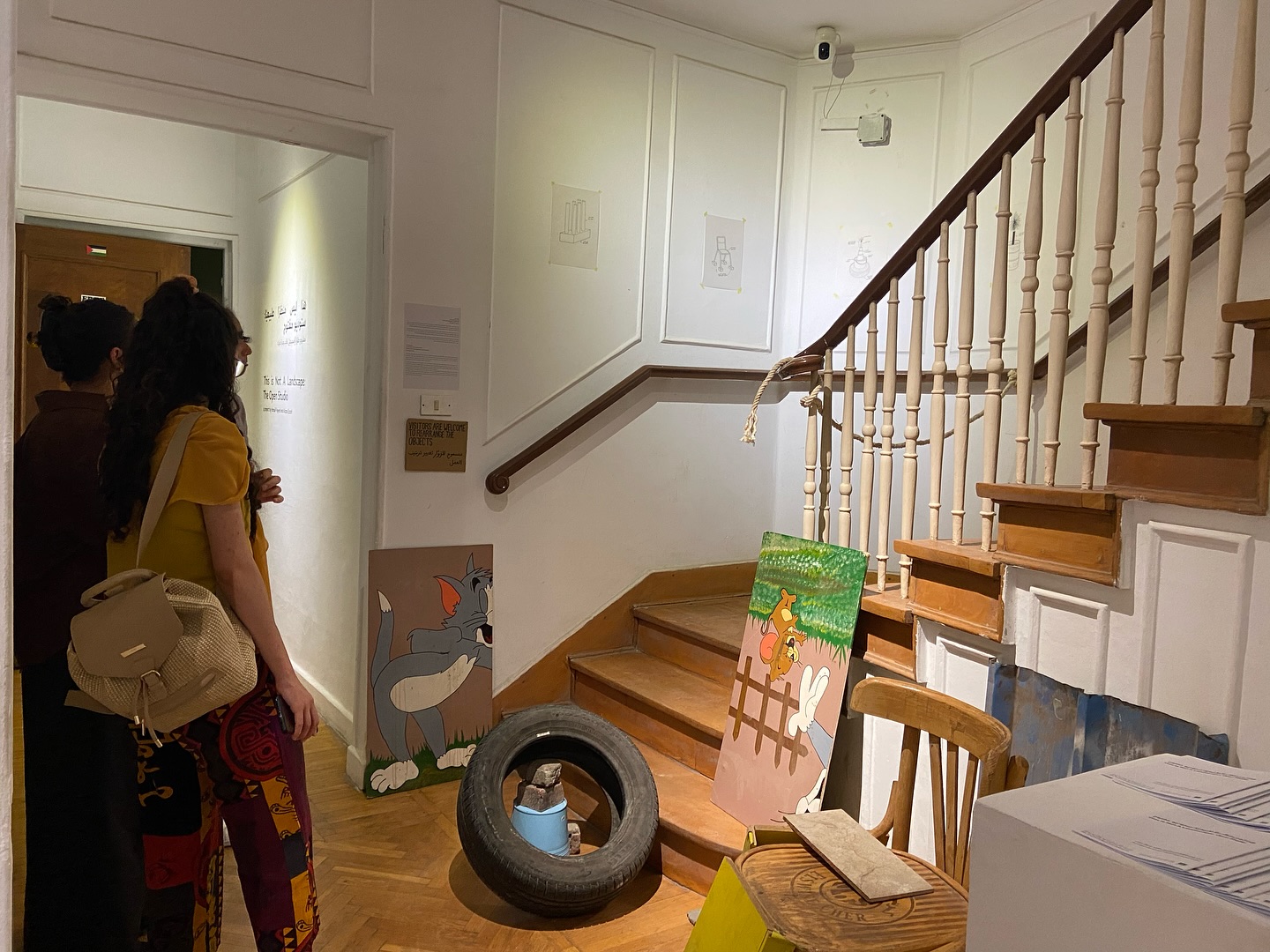
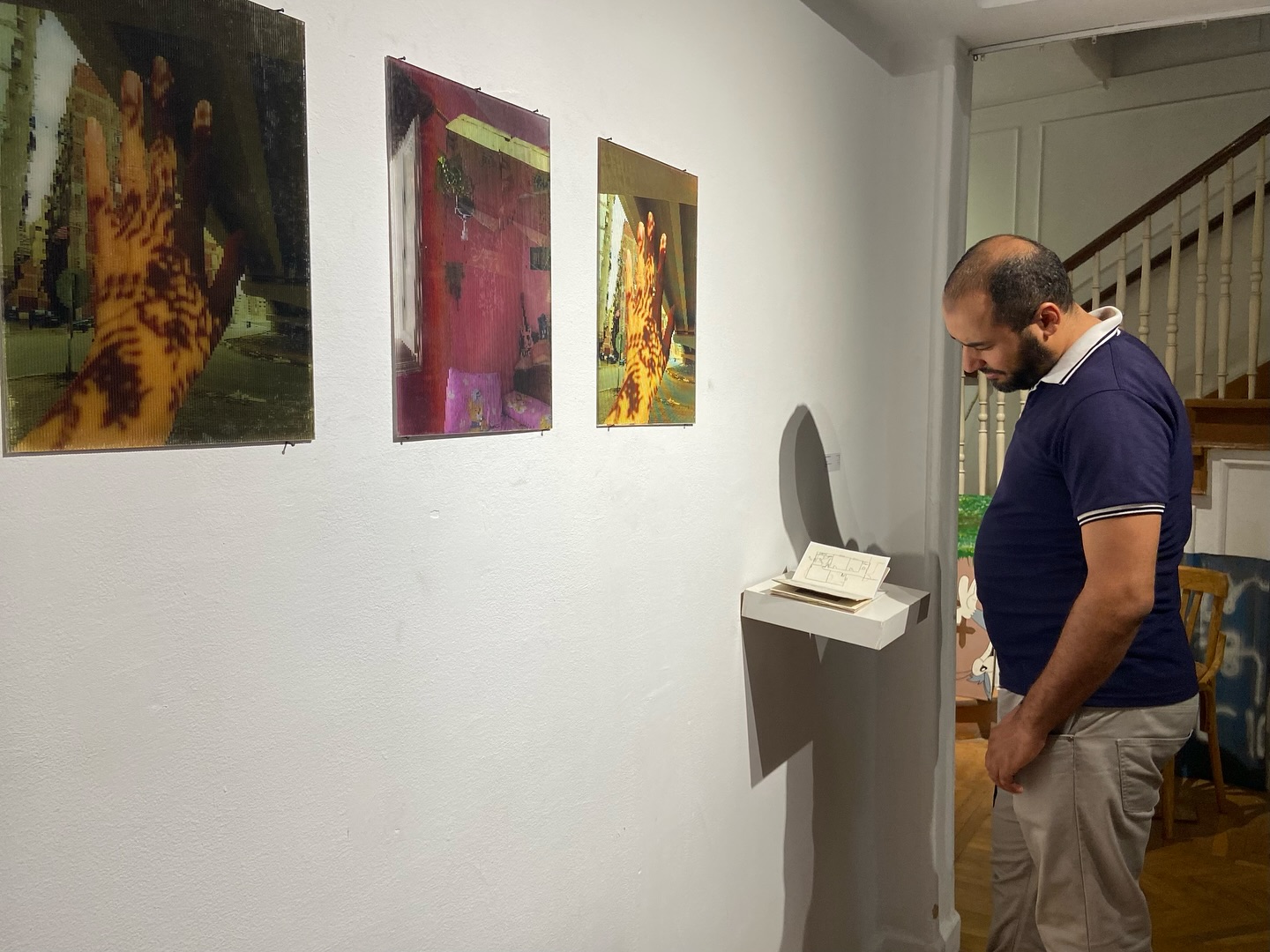
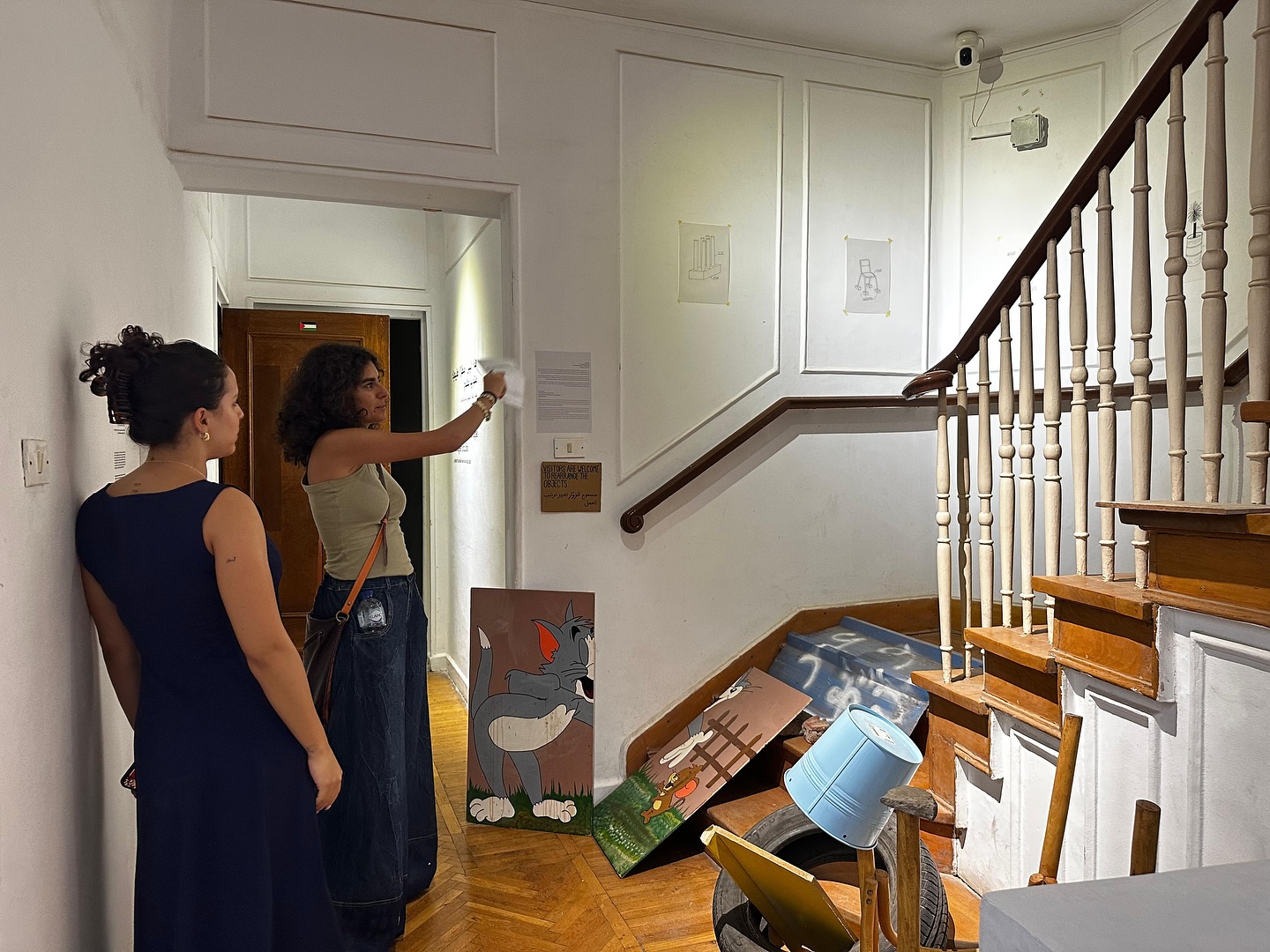
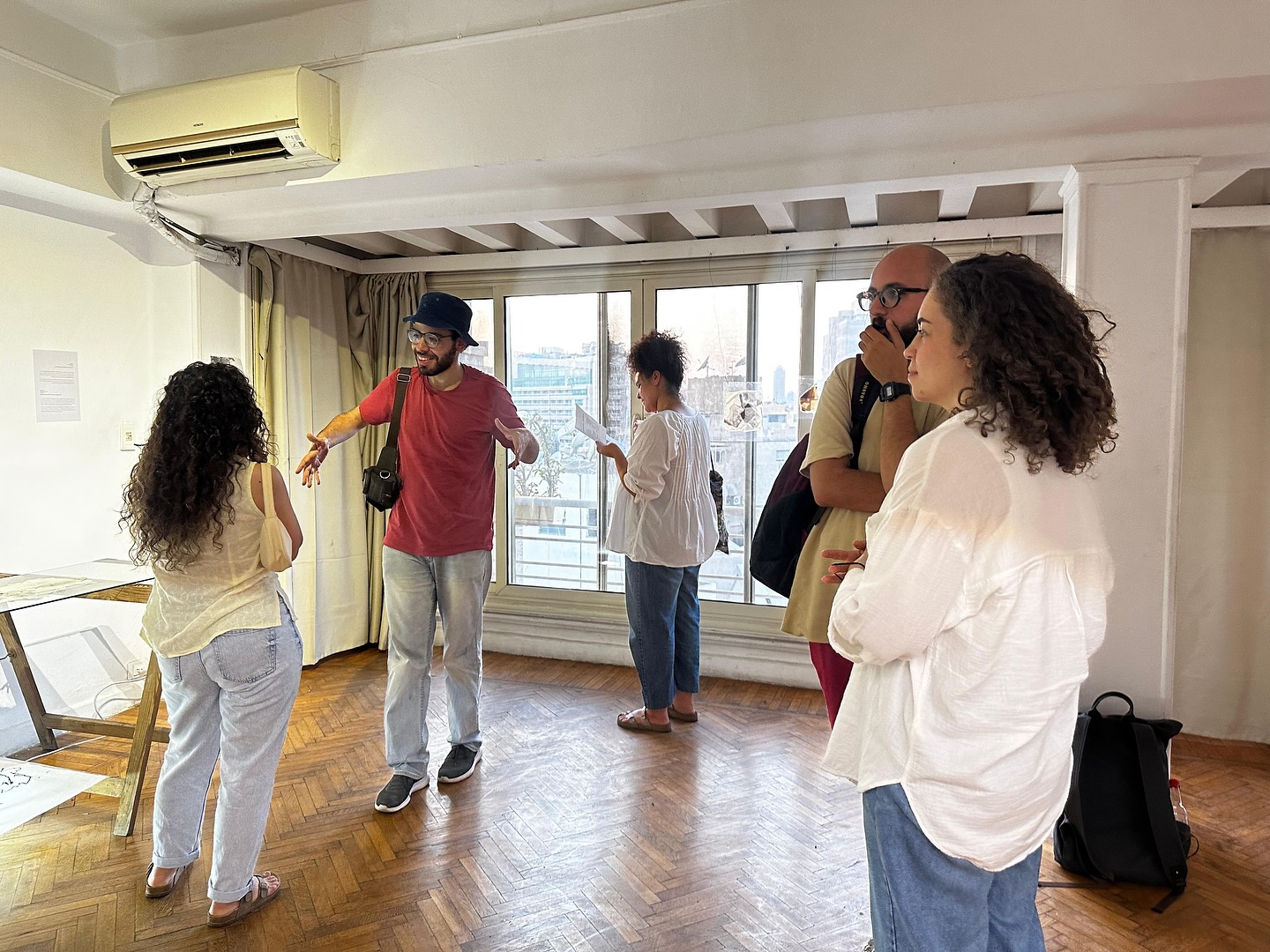
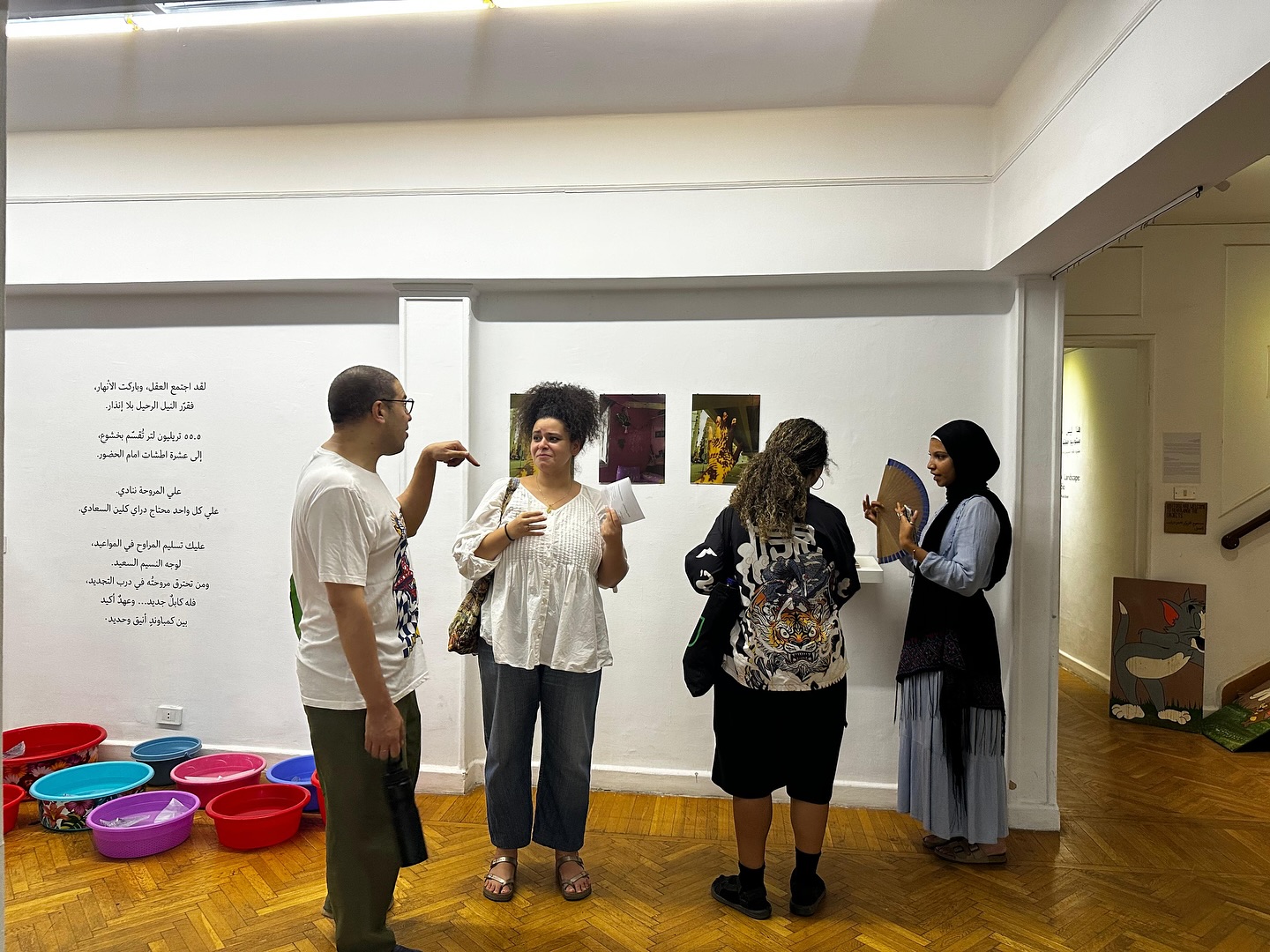
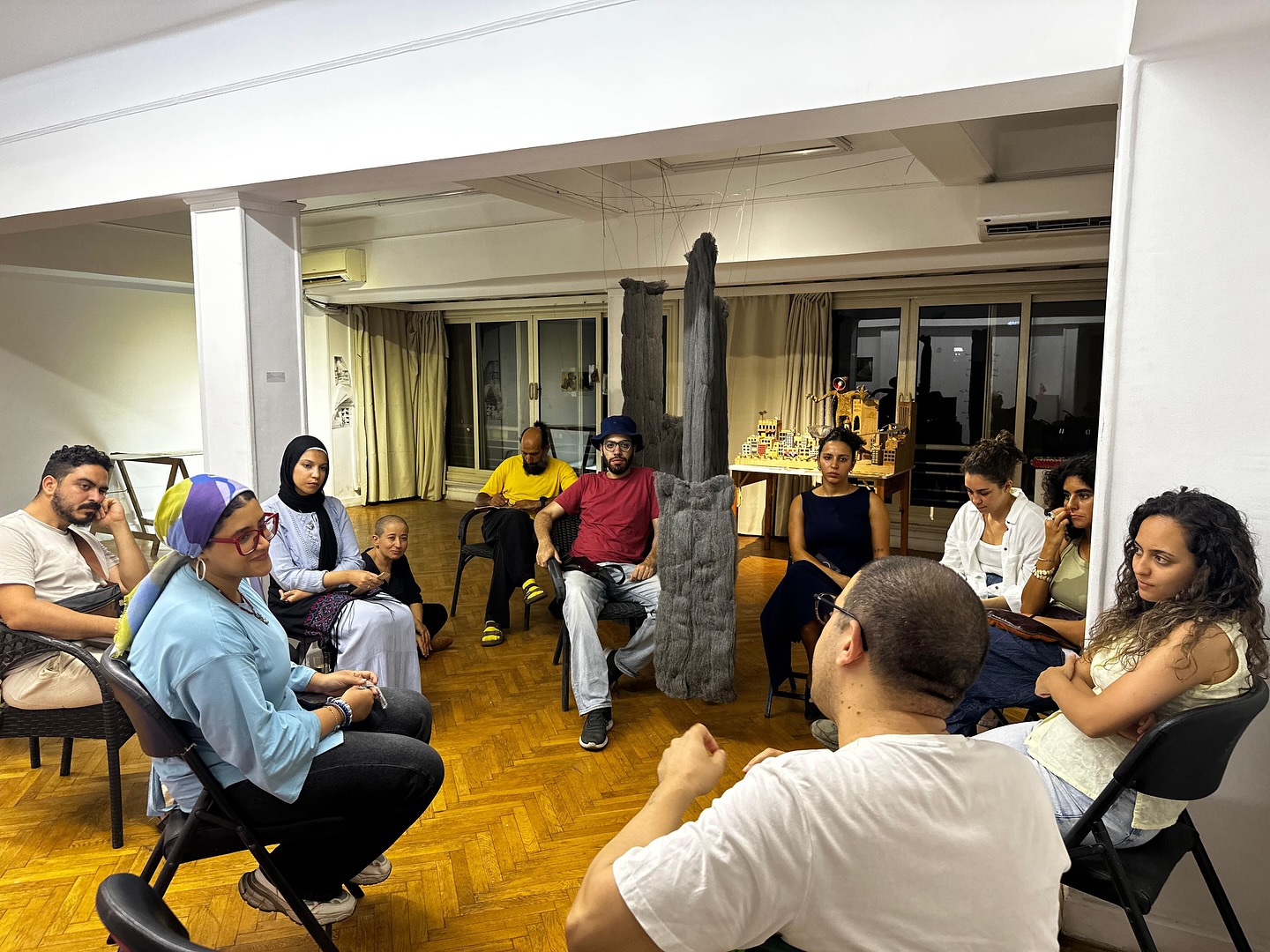
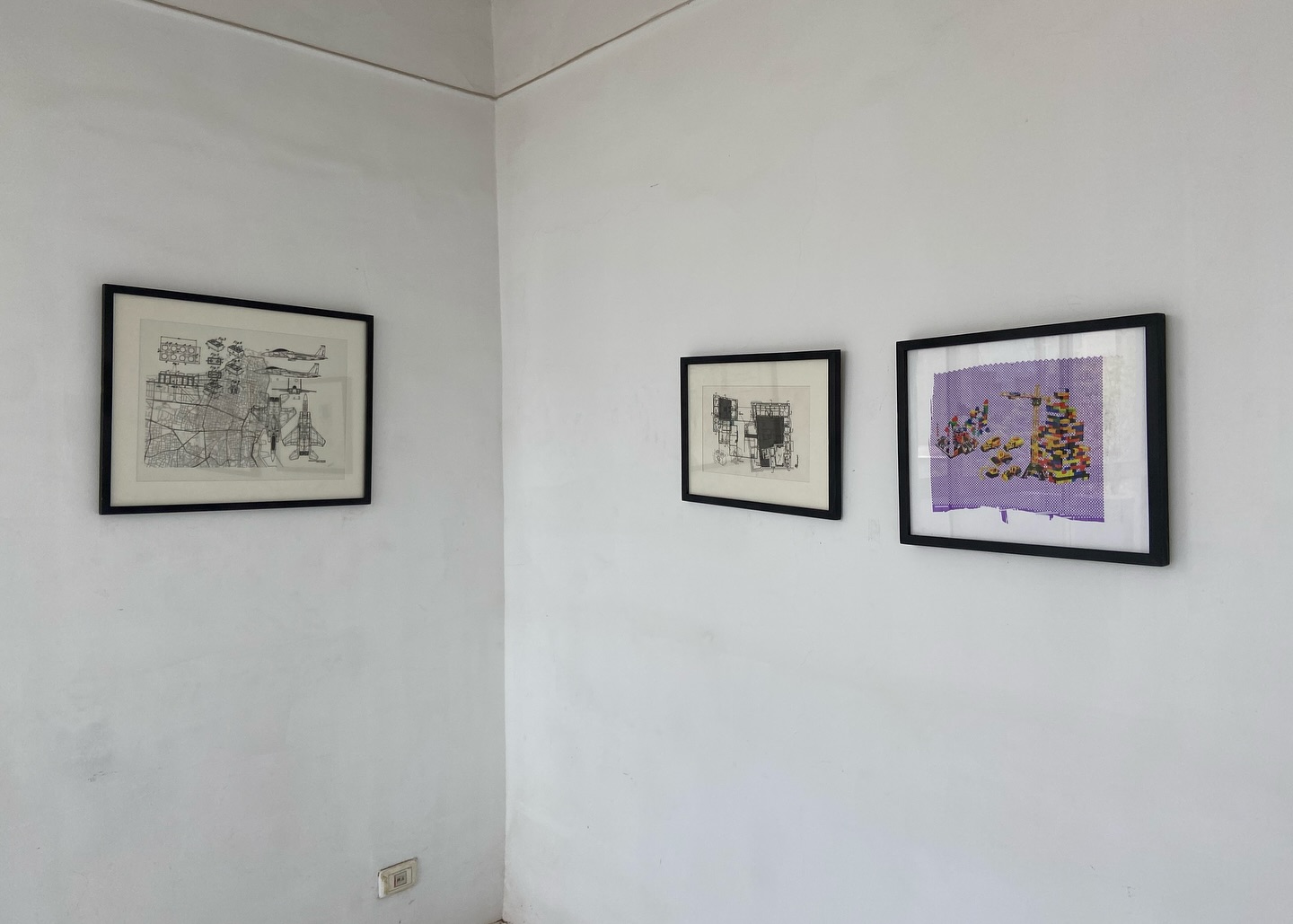
Following the success of its first edition “This is Not a Landscape” at Medrar, the Open Studio Program returns for a second edition as part of Roznama 10 – Studio Program’s parallel tracks, in partnership with ARD Art Institution. The parallel tracks of Roznama 10 take different formats, including workshops and seminars led by invited guests, some of which are offered through open calls, in a shared commitment to artistic research, dialogue, and sharing artistic processes.
At a moment when resources — material, institutional, and imaginative — are increasingly under strain, we believe that sharing resources and practice is not a luxury but a necessity. The Open Studio Program is built on the premise that artists need time and space to reflect and exchange with their peers and with an engaged public.
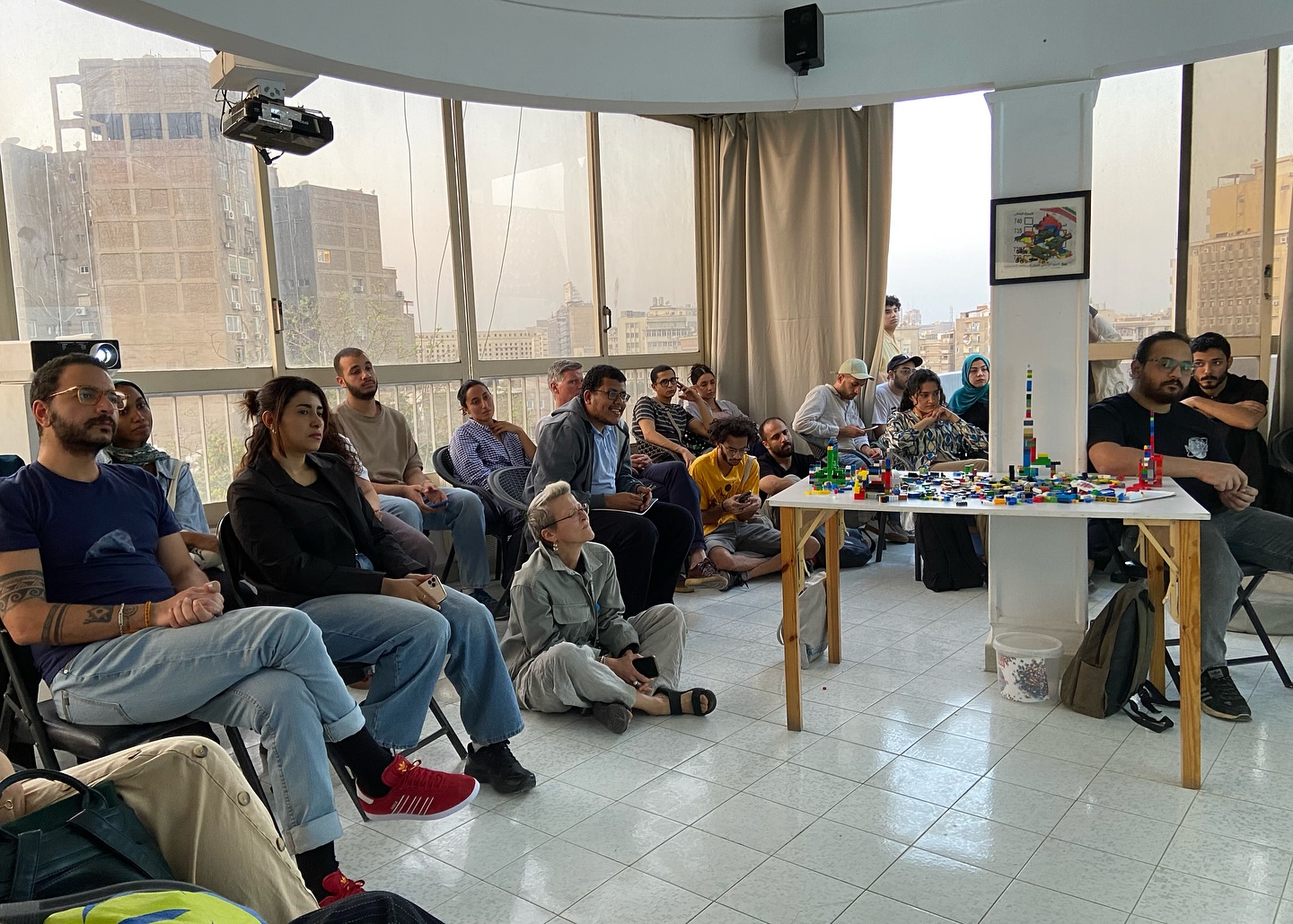
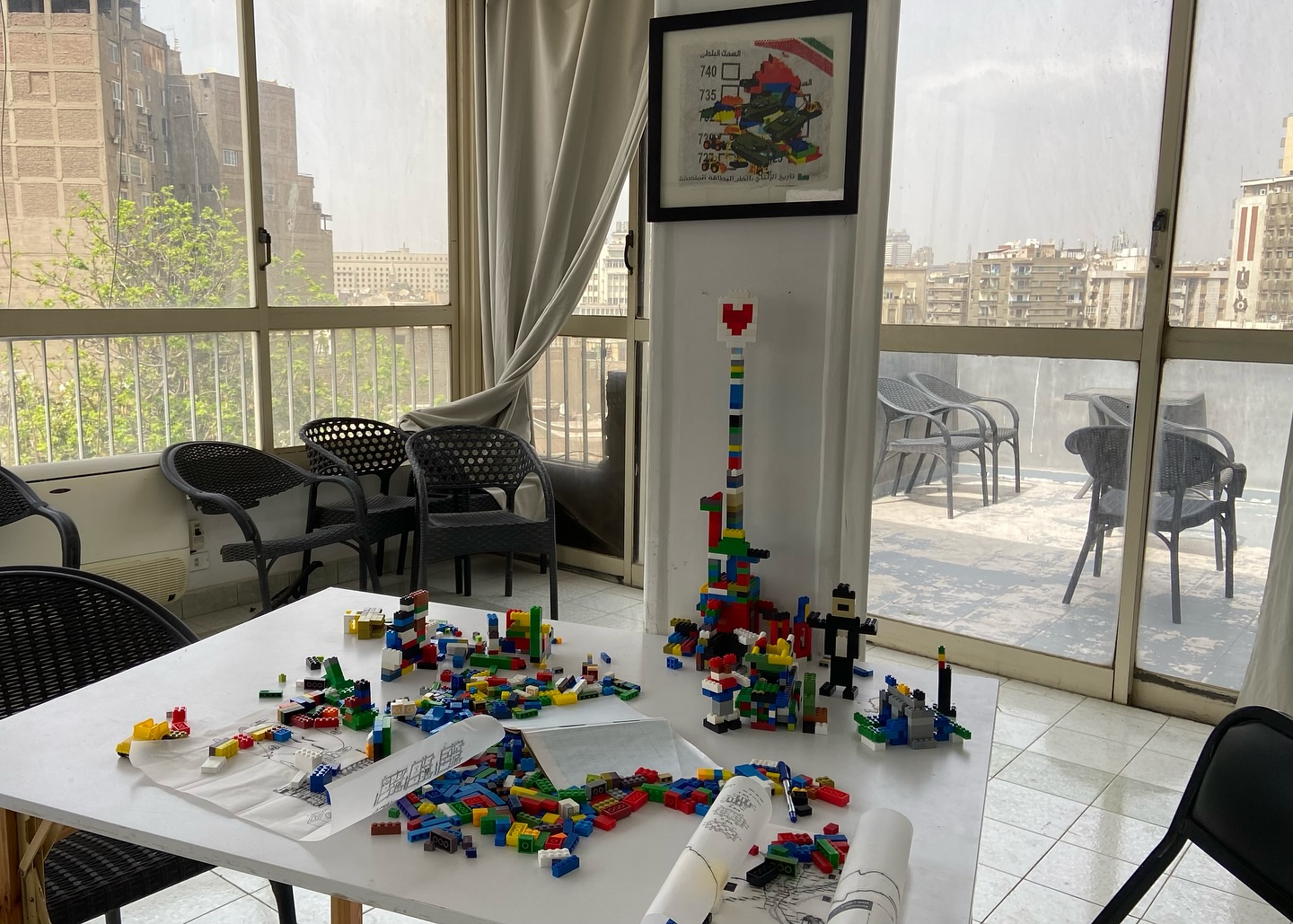
Over twelve weeks, 8 to 10 emerging and mid-career artists will develop individual projects in an open studio setting, supported by mentorship and guidance from artists and curators, curatorial support, and dialogue with a community of fellow practitioners. The program deliberately steps outside the more formal register of the exhibition, offering artists a chance to think out loud, test ideas in progress, and meet audiences in a more open context.
This Edition’s Theme: Imagination and Resilience
This edition asks a difficult question: what kind of imagination is possible right now?
We are living through regional conflicts and wars, an increasingly distorted global economy shaped by the monopolies of tech and fossil fuel industries, the accelerating threat of automation and artificial intelligence, and a still-unfolding climate crisis. Within this landscape, what forms of resilience remain available to us as artists, and as subjects?
The program starts from the conviction that imagination is not separate from these conditions but a precondition for resisting and enacting resilience. Resilience, here, is not a single heroic act but a daily and difficult practice — the choices, strategies, and small interventions through which we sustain ourselves and continue to project a different world, even under punishing conditions.
This edition of the Open Studio Program is an invitation — to artists and audiences alike — to reclaim the possibility of imagining, and the ways that we are still capable of it.
We welcome proposals that engage with this theme from any angle, medium, or methodology.
How the Program Works
Duration: 12 weeks of studio-based work, running within the 1 September – 26 November 2026 program window, using the technical facilities and resources of Medrar and ARD Art Institution.
Curatorial support: Participating artists will work in close dialogue with curator Ismail Fayed, the Medrar and ARD Art Institution teams, and invited guest curators and artists throughout the process including Marwan Fayed, Azza Ezzat, Malak Yacout, and Georgina Sleap.
Peer exchange: Artists are expected to engage actively with one another — sharing feedback, insight, and critique as part of a working community, not a cohort of isolated practices.
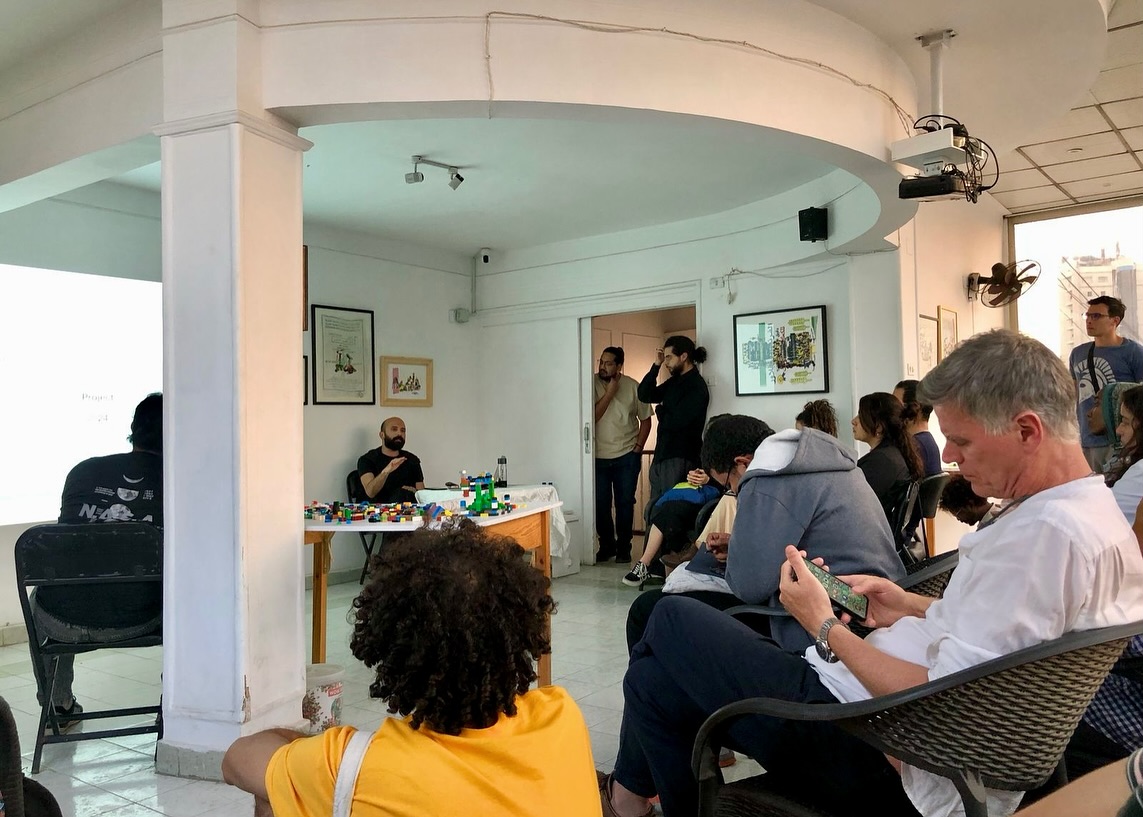
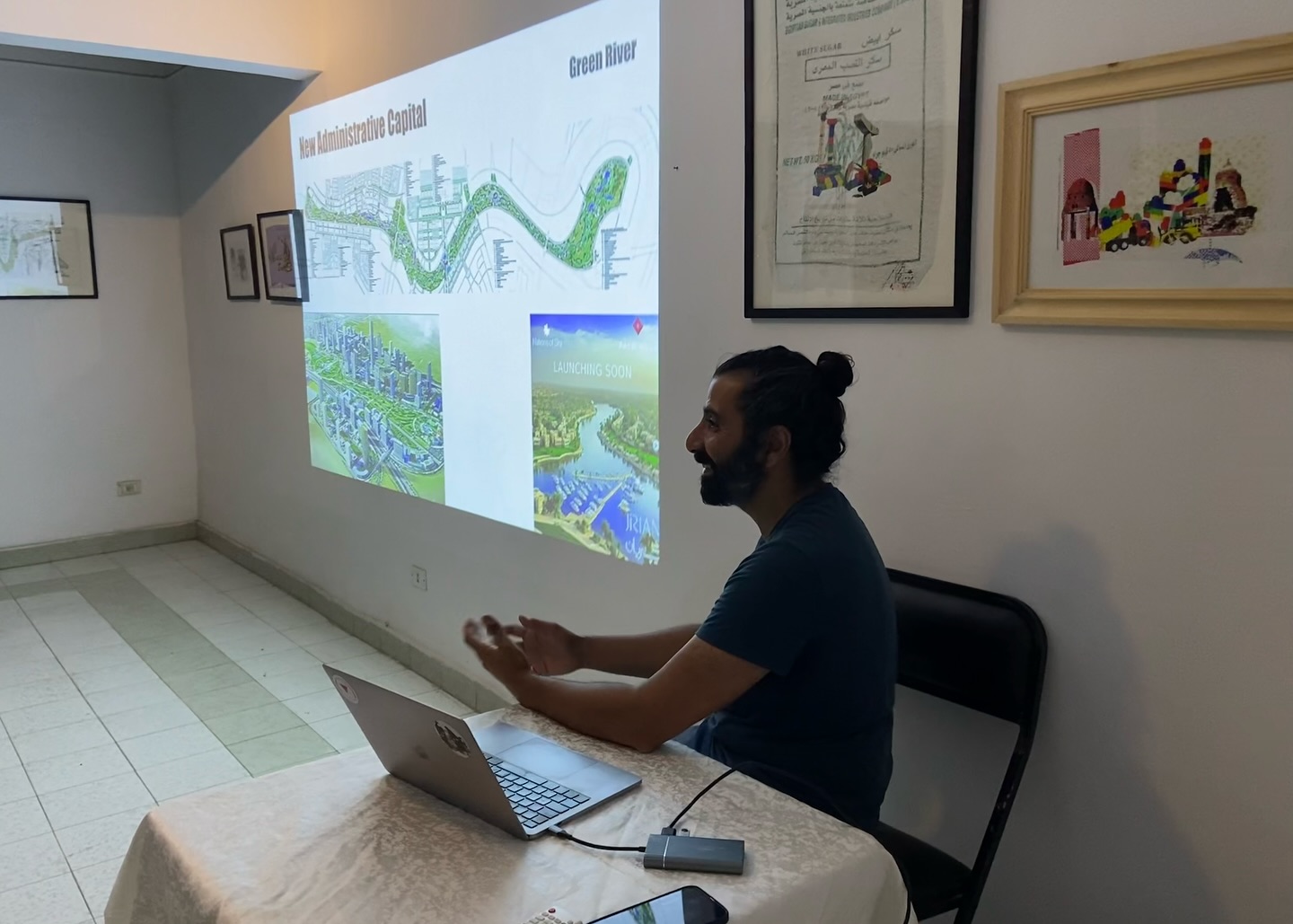
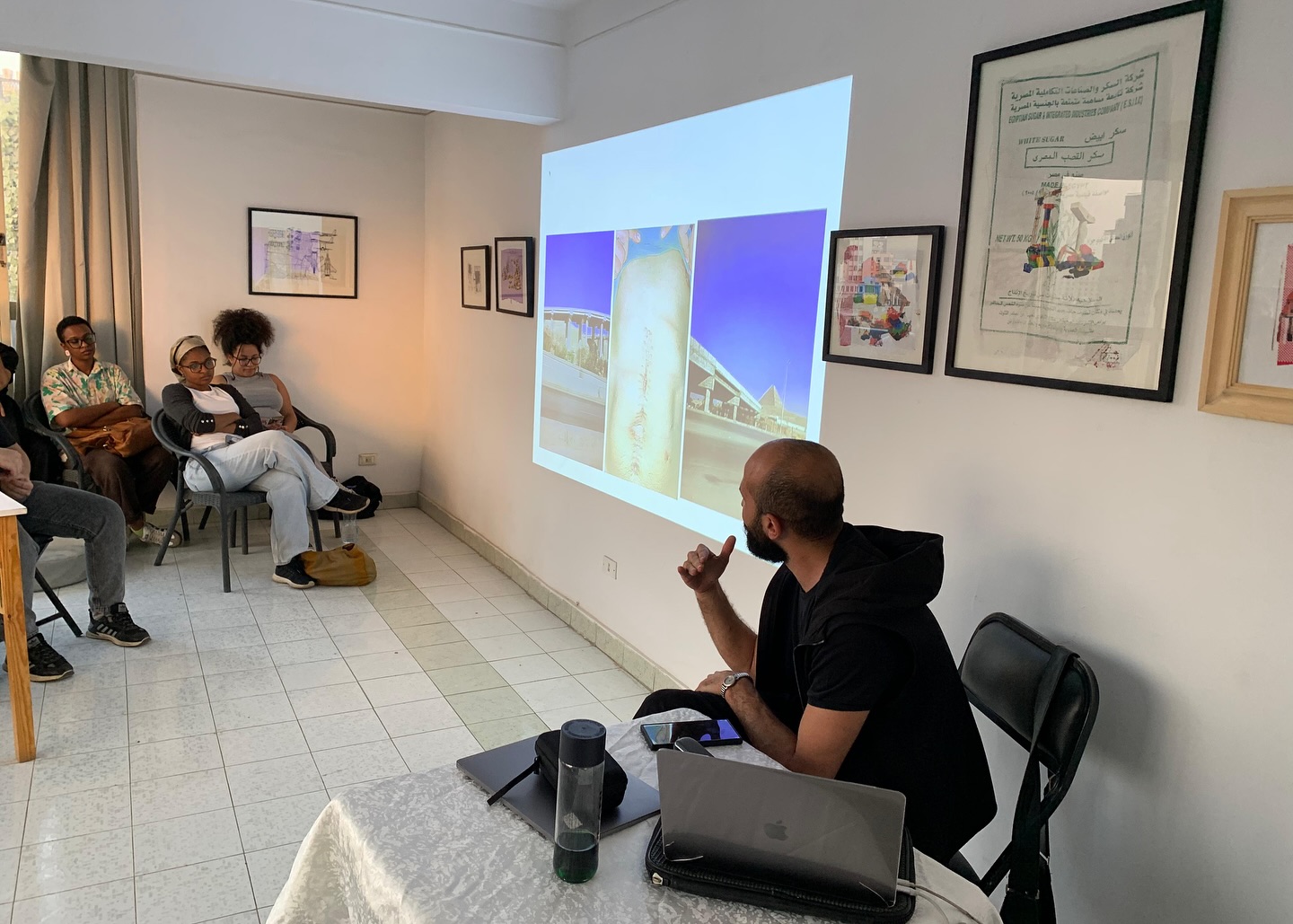
Biweekly sessions: Every two weeks, an invited artist or practitioner will lead a session responding to the group’s ongoing work, offering critical feedback and support.
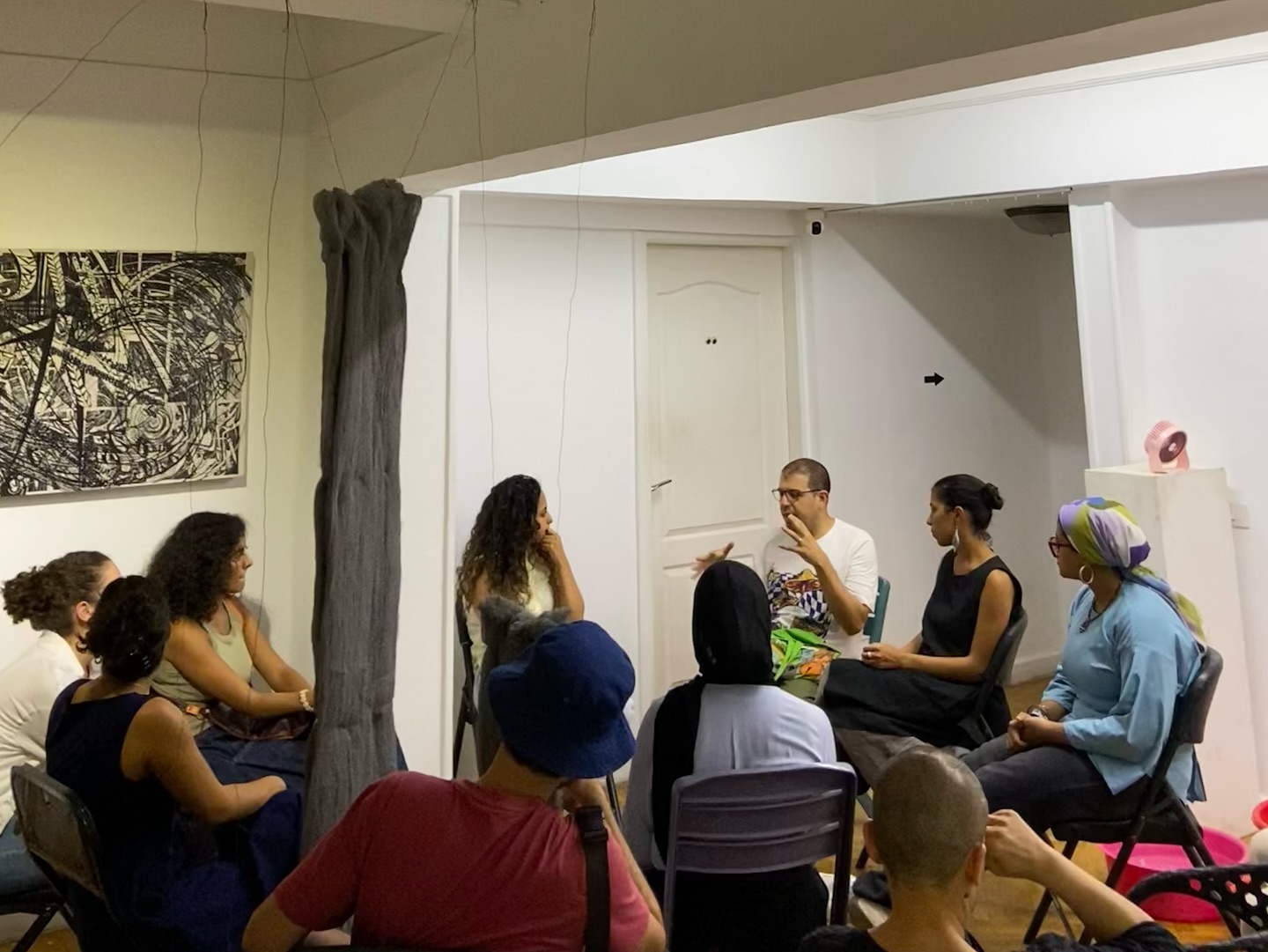
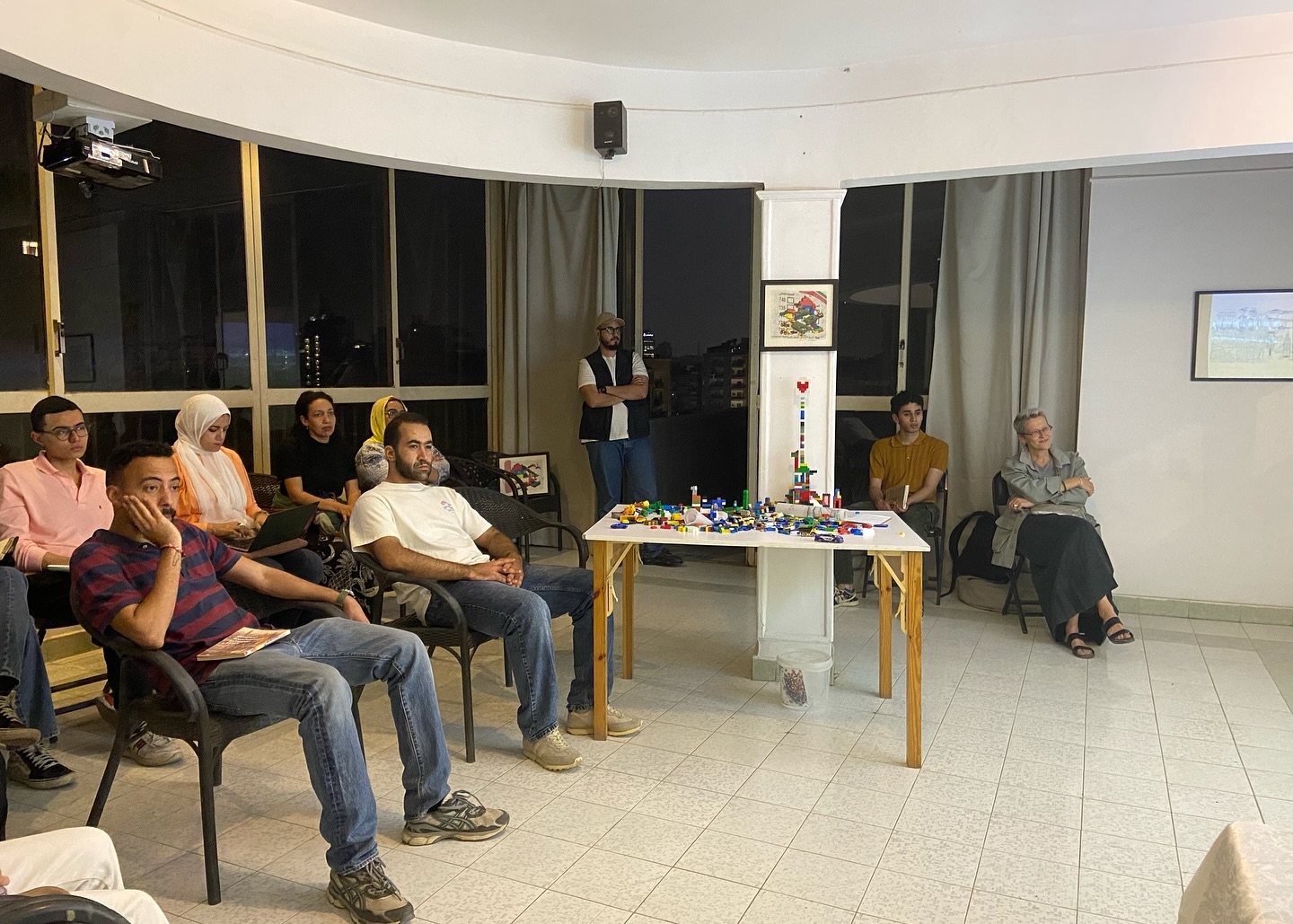
Public moments: Each biweekly session is followed by an open, informal public moment — not a presentation, but a relaxed conversation in which audiences are invited to engage directly with artists about their work in progress.
Closing presentation and feedback: At the end of the twelve weeks, artists will share their work publicly, followed by a final collective feedback session for participants to reflect on both their individual projects and the experience of working within this shared space.
What the Program Provides
- Access to Medrar and ARD Art Institution’s technical facilities and support for the duration of the program
- Sustained curatorial mentorship from Ismail Fayed and the Medrar/ARD Art Institution teams, with additional input from invited curators and guest artists
- A structured framework for peer critique and exchange with 7–9 other participating artists
- Regular public engagement opportunities in an informal, dialogue-based format
- A closing public presentation and structured feedback session
Please note that the program is offered free of charge. It does not provide funding for production, materials, or other costs artists may incur in developing their projects. Applicants should plan accordingly.
Who Can Apply
We invite applications from emerging and mid-career artists, working in any medium or discipline, with a particular emphasis on opportunities for emerging practitioners. We are looking for artists who:
- Have a developing project they wish to advance — not necessarily a finished proposal, but a clear starting point
- Are drawn to the theme of Imagination and Resilience and want to think through it in the company of others
- Are willing and able to commit fully to the eight-week structure, including the biweekly sessions and public moments
Commitment
Because the program depends on sustained group process and continuity of feedback, participation requires a firm commitment to attend all sessions. Missing more than one session over the course of the program will be grounds for disqualification. We ask applicants to consider this commitment seriously before applying.
How to Apply
Interested artists should submit:
- A brief project proposal or statement of intent — 250 words max
- A portfolio or samples of previous work — pdf/ppt/..etc
- A short CV or bio
Deadline for applications: 11 August 2026
Applications may be submitted in either English or Arabic.
For questions about the program, please contact: roznama@medrar.org
The program is facilitated and led by Ismail Fayed, a writer, critic, and curator based in Cairo. Since 2007, he has been writing on contemporary artistic and cultural practices in Egypt. He has contributed to major regional and international publications and collaborated with leading art institutions worldwide, including the Museum of Modern Art in New York, ArteEast, HKW (Berlin), KFD, and CCA Lagos, among others.
Guests: Marwan Fayed (Architect, Artist and Trainer), Azza Ezzat (Visual Artist), Malak Yacout (Visual Artist), Georgina Sleap (Visual Artist)al Artist), Malak Yacout