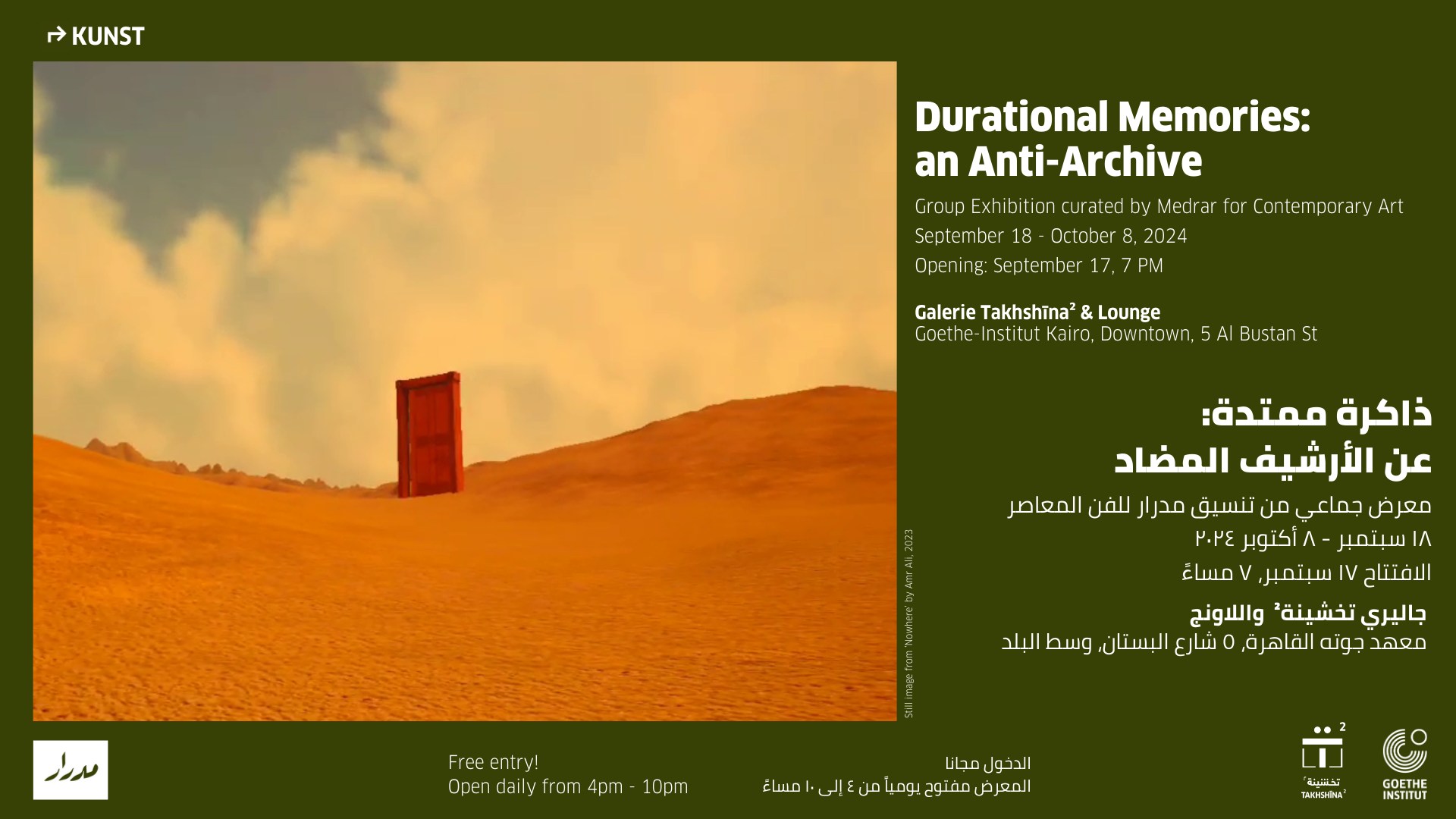
Durational Memories: an Anti-Archive – Group Exhibition
Durational Memories: an Anti-Archive – Group Exhibition
Exhibition
Goethe Institute, Downtown Cairo
18 September 2024 - 8 October 2024
Durational Memories: an Anti-Archive
Group Exhibition, Curated by Medrar for Contemporary Art
“If you tasted it, it would first taste bitter,
Then briny, then surely burn your tongue.
It is like what we imagine knowledge to be:
dark, salt, clear, moving, utterly free,
drawn from the cold hard mouth
of the world, derived from the rocky breasts
forever, flowing and drawn, and since
our knowledge is historical, flowing, and flown.” (p. 66).
Elizabeth Bishop (1983), At the Fishhouses
Knowledge, shaped through memory and use, passes through cooking and conversation, through inherited photographs and artistic and industrial objects, through gestures, screens, and displaced bodies. Family archives, domestic materials, and digital spaces carry traces of experience. These traces circulate across local histories shaped by war, displacement, class, migration, and estrangement—histories lived privately and shared with millions of humans and non-humans.
The return to works made years ago opens questions about duration and meaning. What changes when these works are encountered again? What accumulates around them? How do they absorb personal histories alongside broader social and political shifts? The archive operates as a continuous process of remembering and reassembling. Resistance takes shape through collecting, through common culture. Personal memory intersects with collective memory, art history meets industrial history, and domestic narratives meet political struggle. As the past continues to grow, it drifts, settles, resurfaces. Meaning emerges through contact—with material and immaterial traces, with unfinished histories, and with the ongoing effort to remember.
“Durational Memories: An Anti-Archive” appears as a method of working with memory: a collection shaped through duration and proximity, through shared experience, and through what remains unresolved. Knowledge circulates between bodies, objects, images, and stories. It gathers slowly, through repetition and residue. Cultural memory forms through what is carried forward and what slips away.
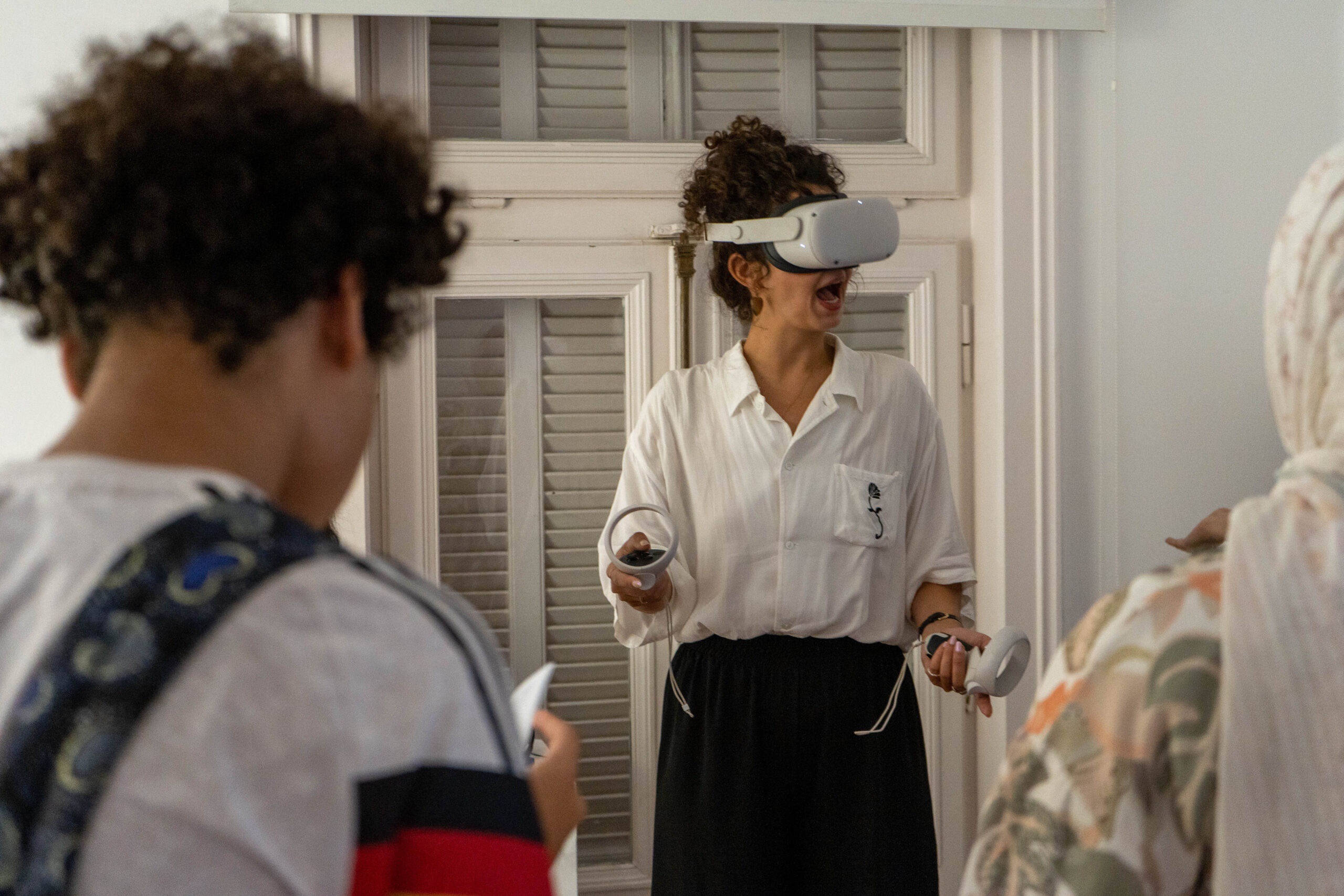
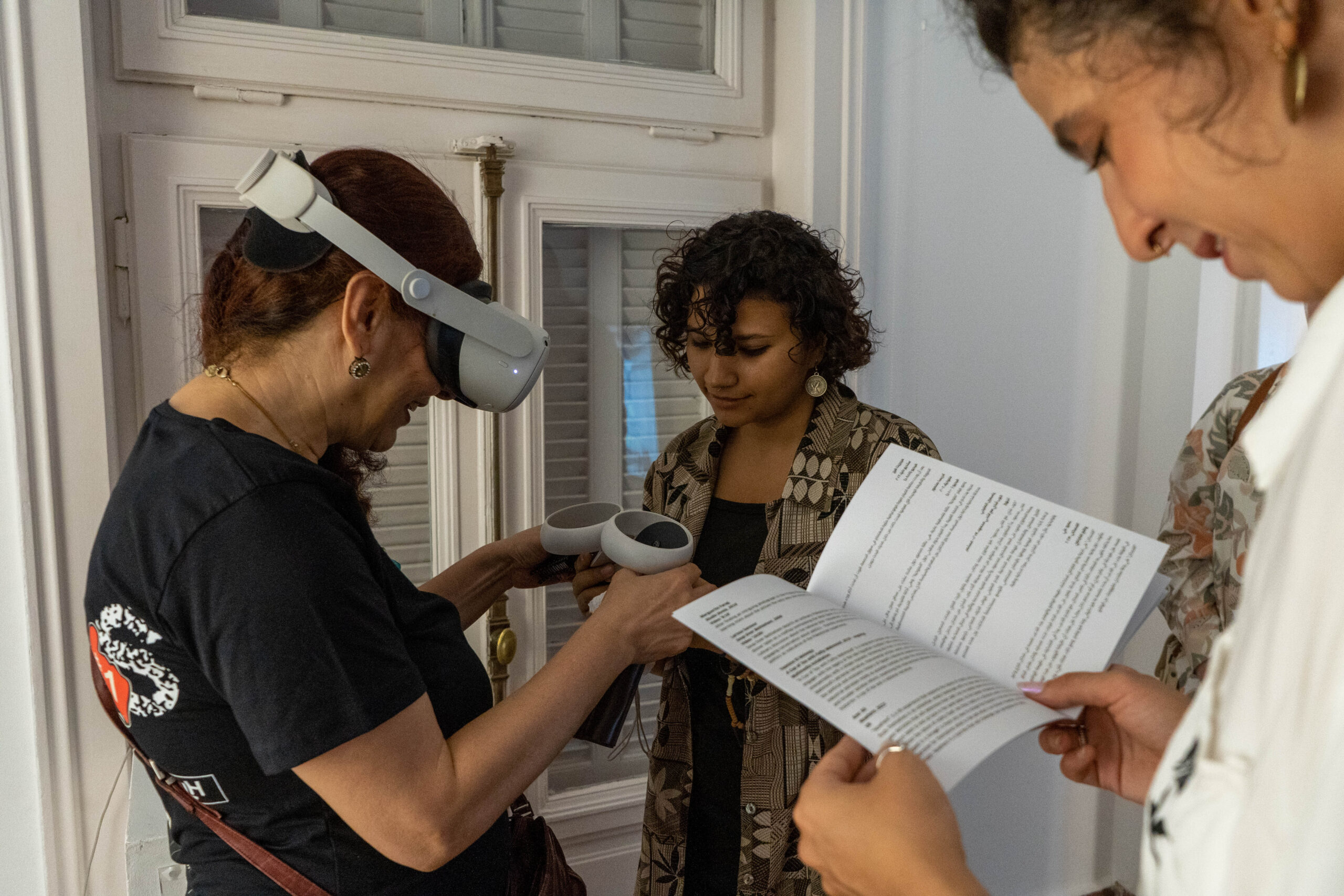
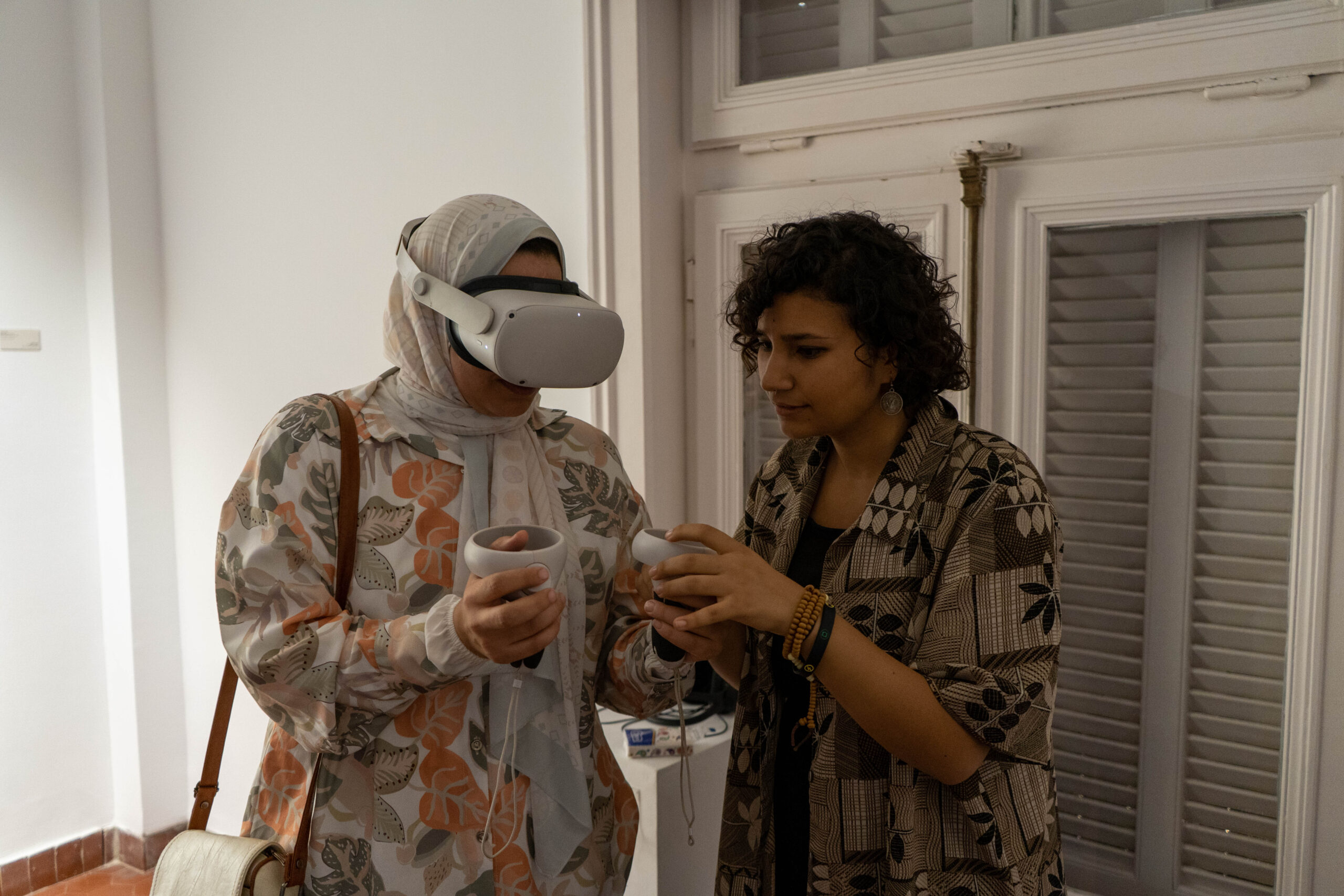
Set in an enigmatic virtual reality, Amr Ali’s Nowhere explores the disorienting boundaries between reality and illusion. The participant is immersed in a barren, cyclical landscape where every path leads back to the beginning, prompting reflection on existence.
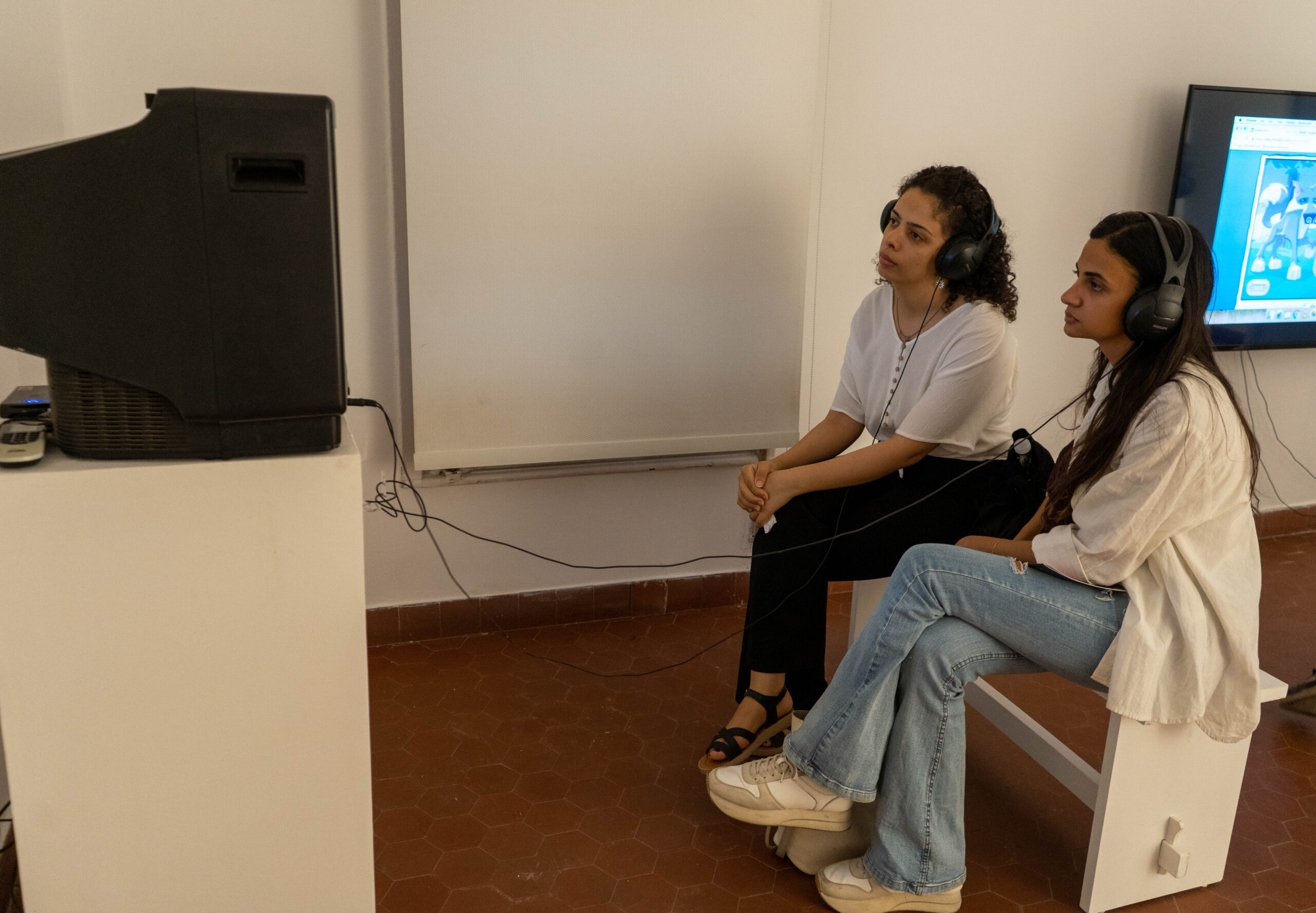
Marwa Benhalim’s Nile Perch returns to archival footage of her father’s 2003 trip to Sudan, later discovered and reworked alongside imagery from Teletubbies, narrated by a young girl. Personal memory merges with mediated fantasy, opening questions around labor, globalization, and historical narration.
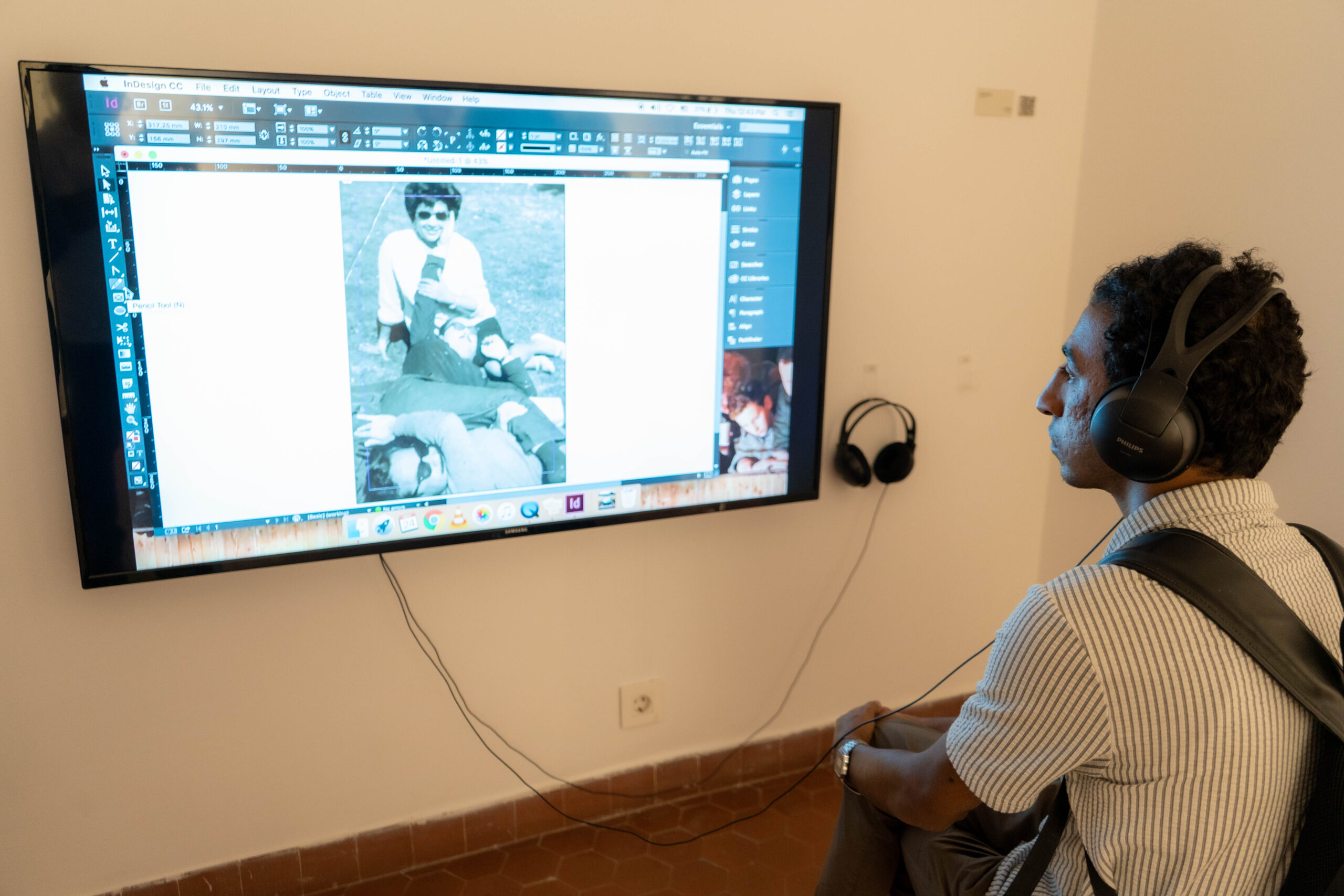
In Studio Dunia, Marguerite Farag begins a digital investigation sparked by a photograph found at a Friday flea market in Cairo. Through contemporary tools, she traces fragmented histories and reflects on how technology reshapes access to the past.
Nadia Ghanem’s Three Disappearances And A Song revisits her family archive through intertwined stories of her grandfather, mother, and father. Emotional and physical disappearances unfold alongside political histories, forming a layered meditation on loss and identity.
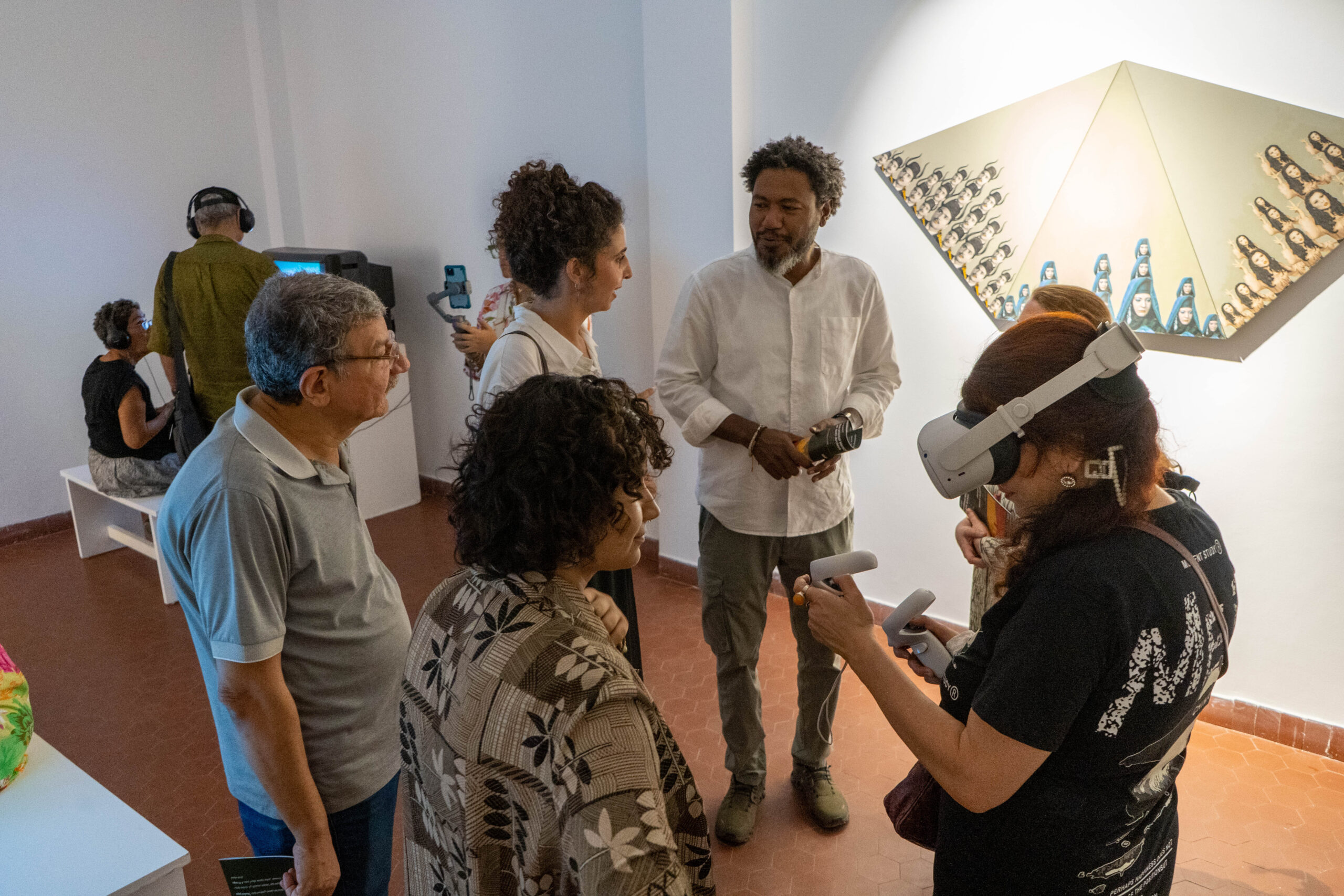
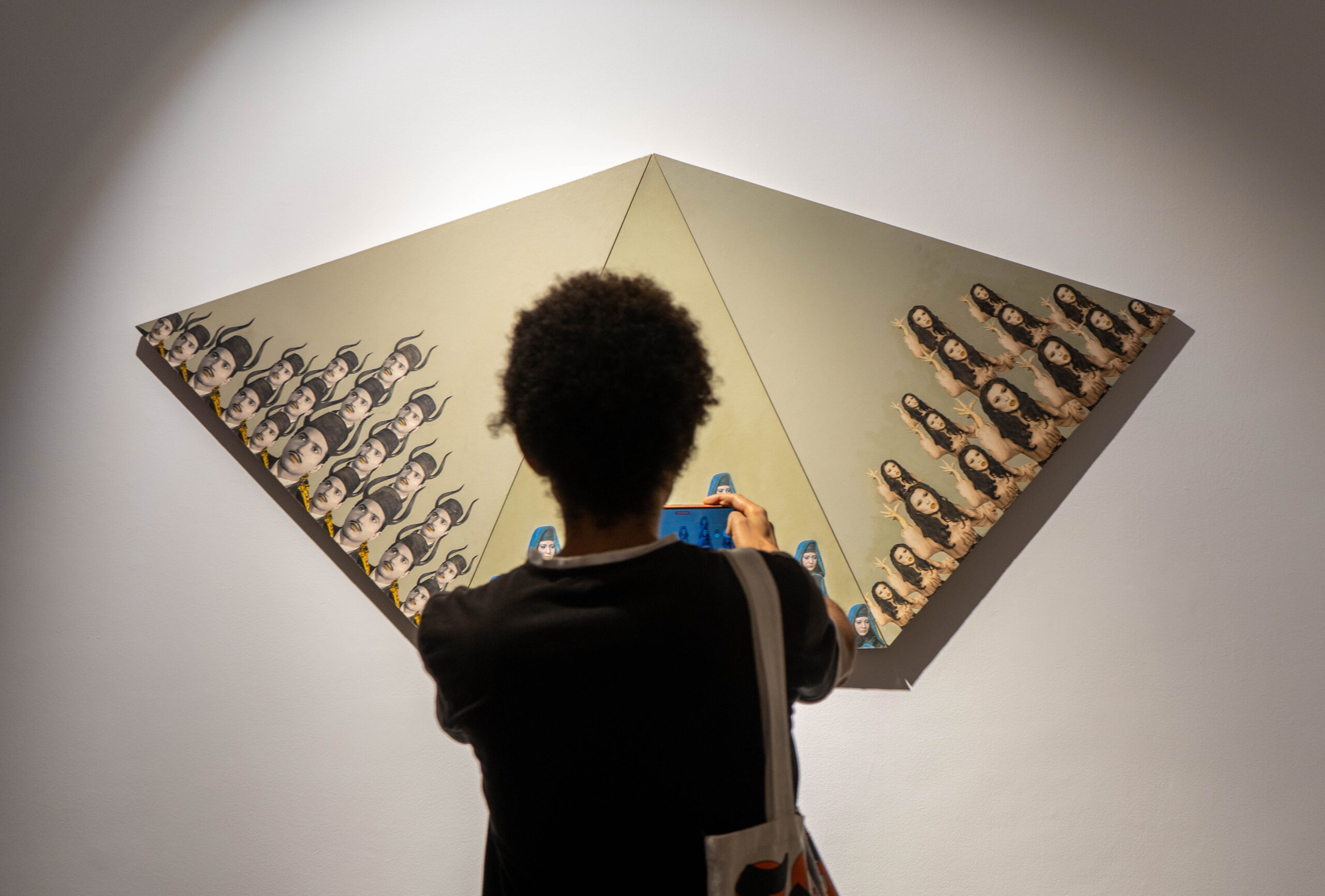
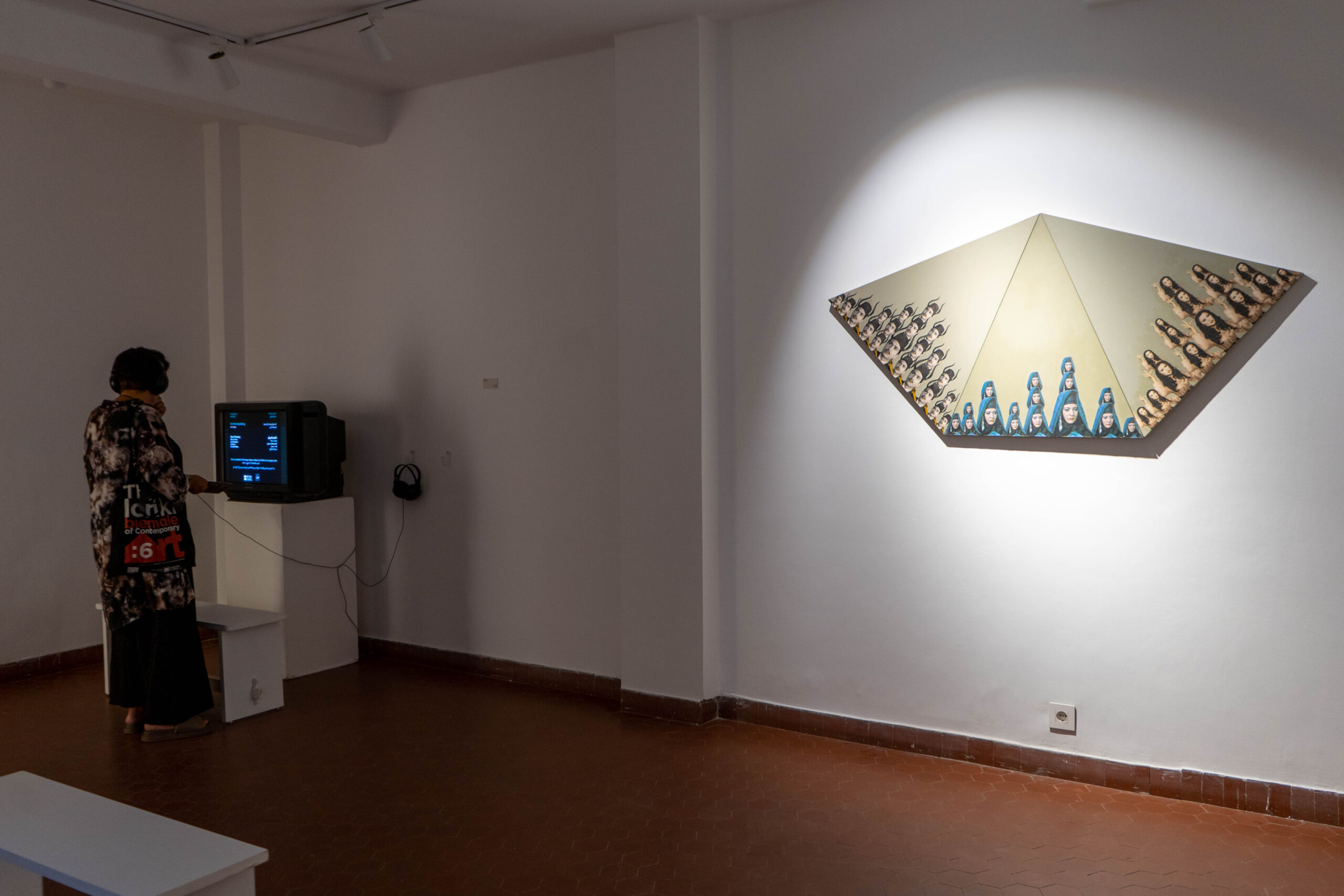
Huda Lutfi’s Gestures, developed from the 2011–2012 Egyptian revolution, draws from her Cut and Paste series. Using collage, she maps public emotions and symbols into a psychogeographic archive of collective experience during social upheaval.
Diesel Mekhtigian addresses Armenian-Egyptian cultural preservation through an imagined exhibition narrated by two women. Photographs animate voices from within a shrinking community, articulating tensions between heritage and survival.
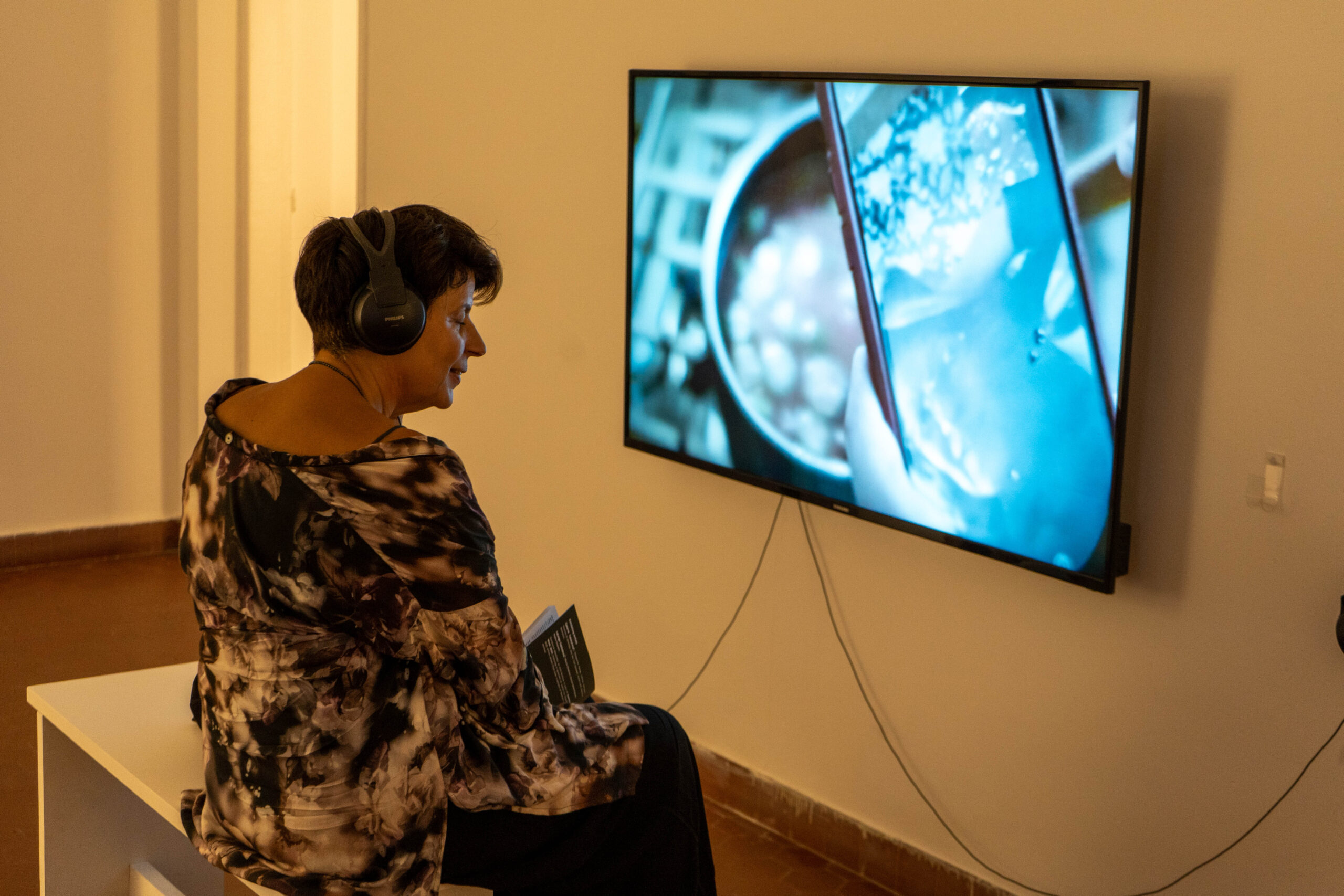
Larissa Sansour’s Soup Over Bethlehem situates food as a site of political and cultural negotiation. A family dinner opens into broader reflections on Palestinian identity, showing how everyday rituals carry national histories.
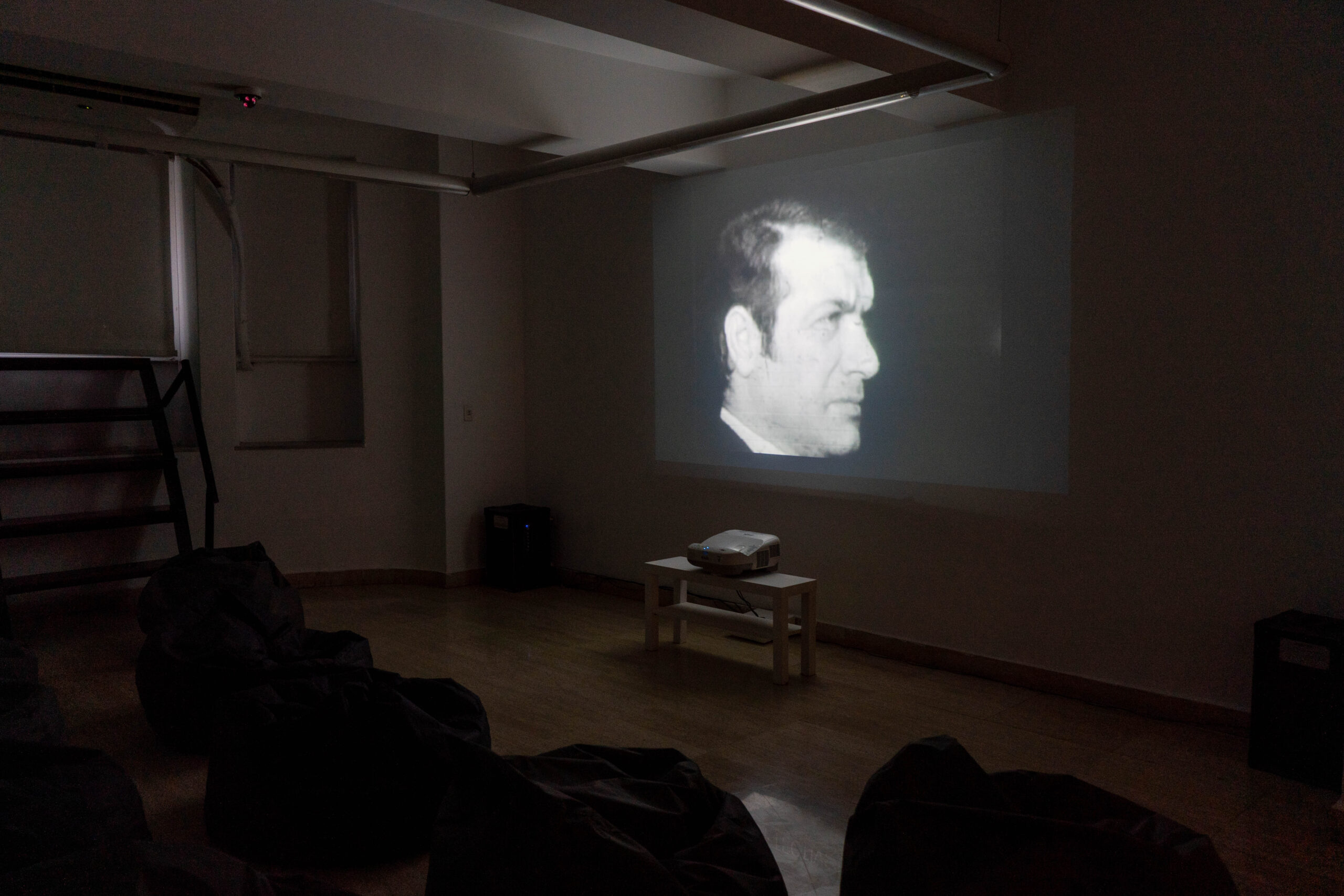
Rania Stephan’s MEMORIES FOR A PRIVATE EYE #1 navigates personal loss through cinema, private archives, and digital media, constructing a spiraling investigation around her deceased mother and the instability of images over time.
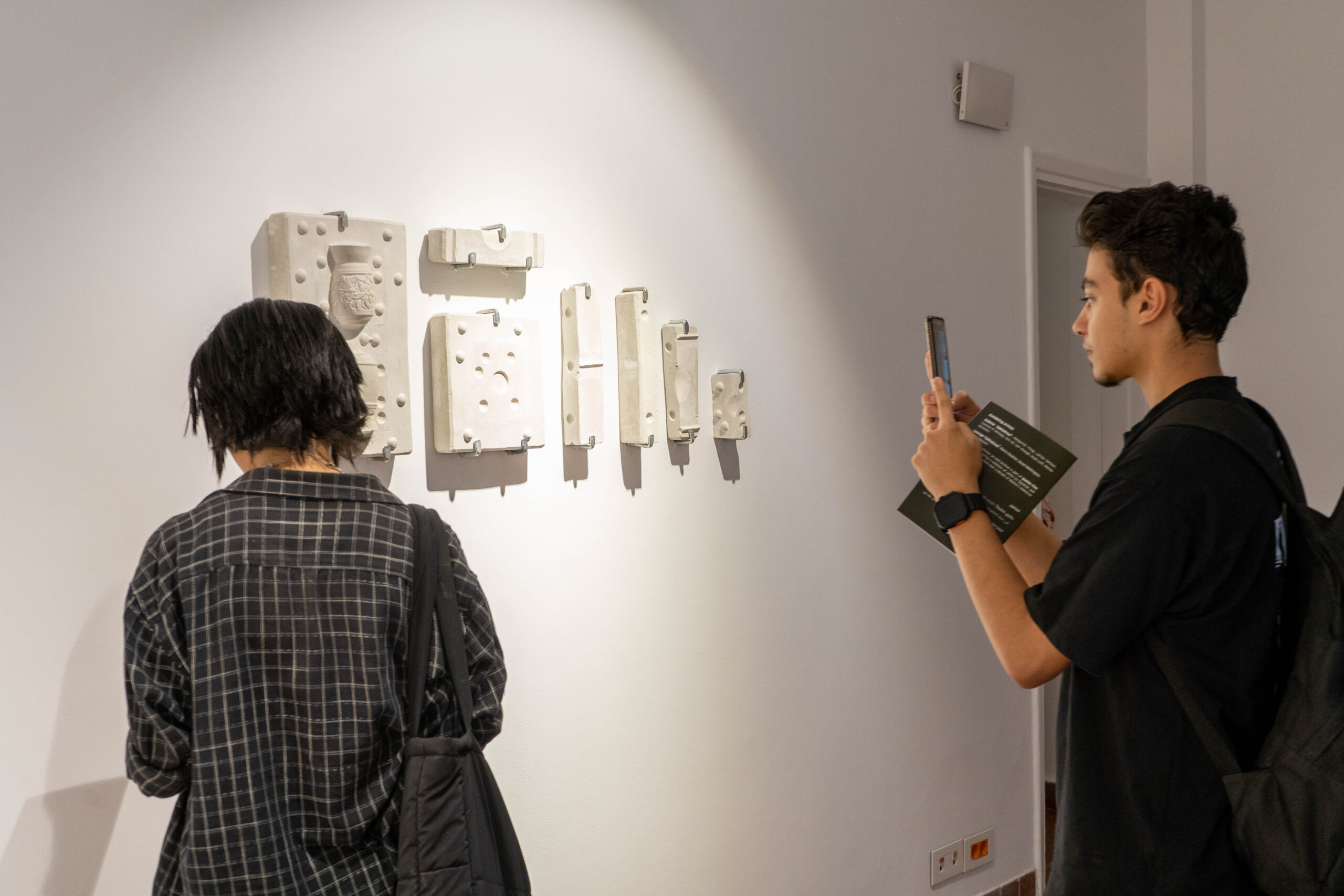
Yasmine’s A Cup of Tea with Fathy Mahmoud unfolds from an incidental encounter: drinking tea from a cup signed by the late sculptor. From this small gesture emerges a long-term investigation into Mahmoud’s artistic legacy, monumental production, and Egypt’s industrial history. The project moves between personal memory and national narratives, tracing how artistic practice intersects with manufacturing, political economy, and everyday objects. Tea becomes an entry point into layered histories of making, circulation, and cultural inheritance.
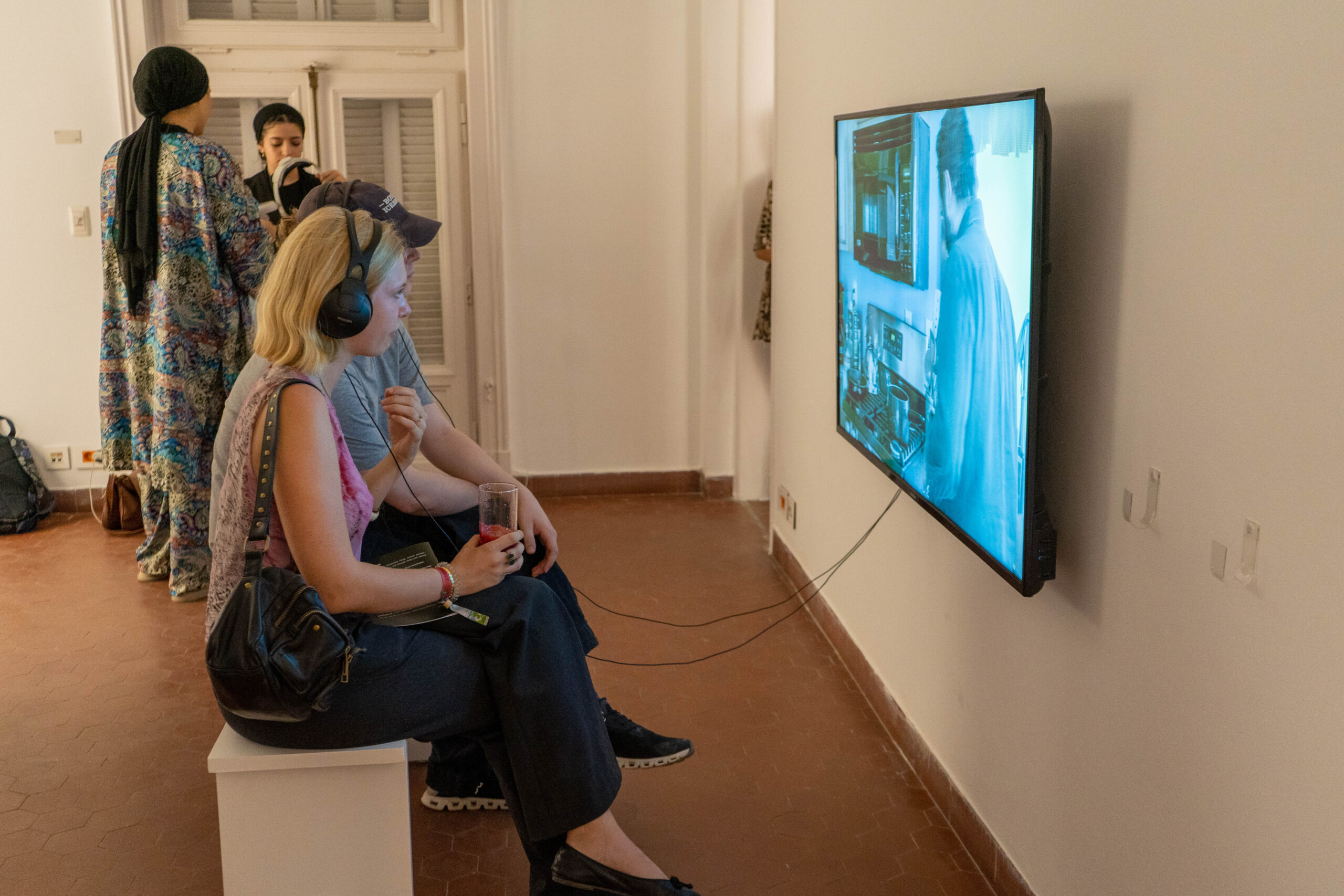
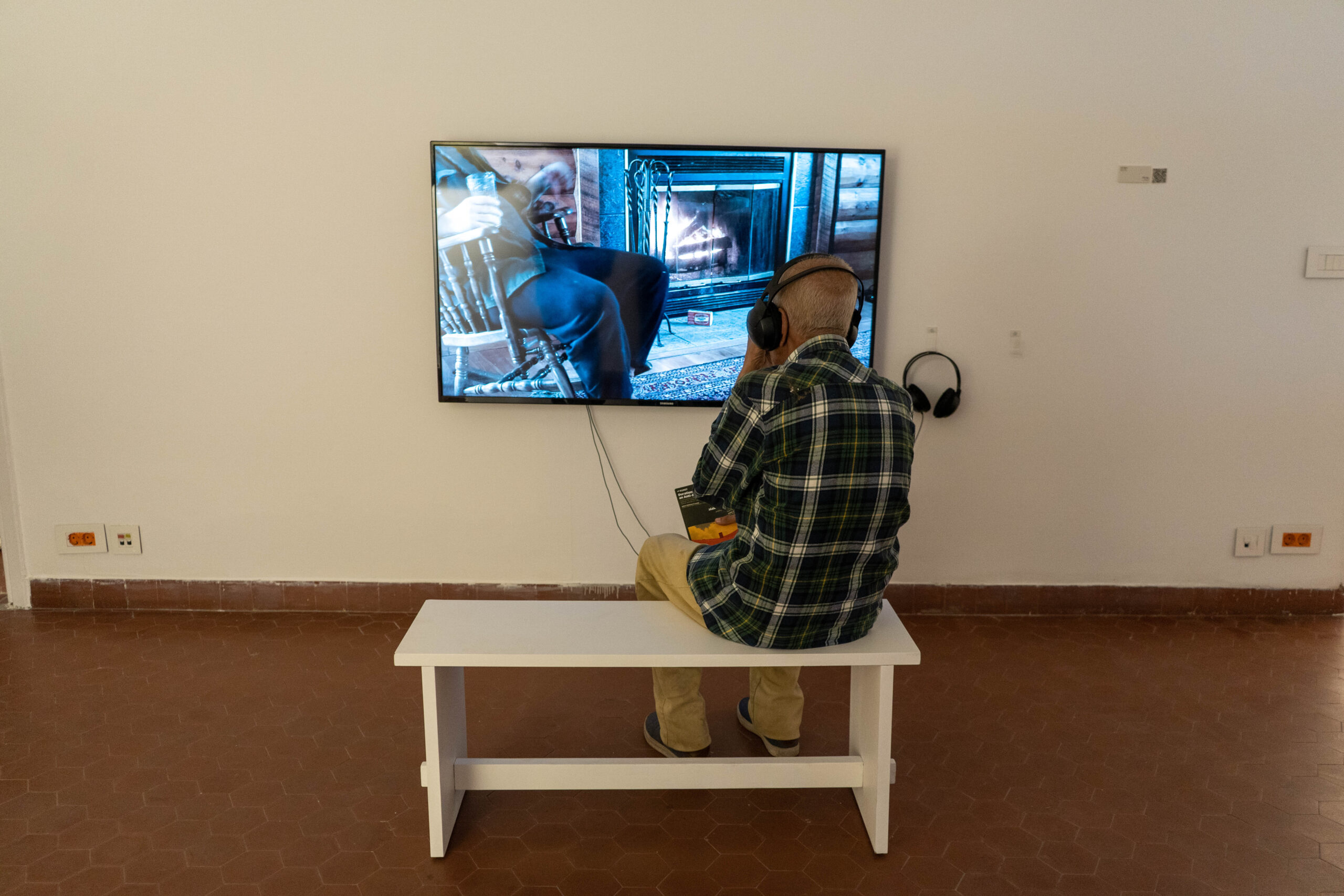
Saif’s 1991 centers on a FaceTime conversation between the filmmaker and his mother, separated by borders and unresolved immigration status. The film weaves together domestic routines in a remote cabin, virtual communication, and memories of the Gulf War, including his mother’s recollection of giving birth amid conflict. Through this fragmented structure, 1991 reflects on distance and displacement, and on how relationships persist across mediated space, where memory circulates between bodies, screens, and landscapes.
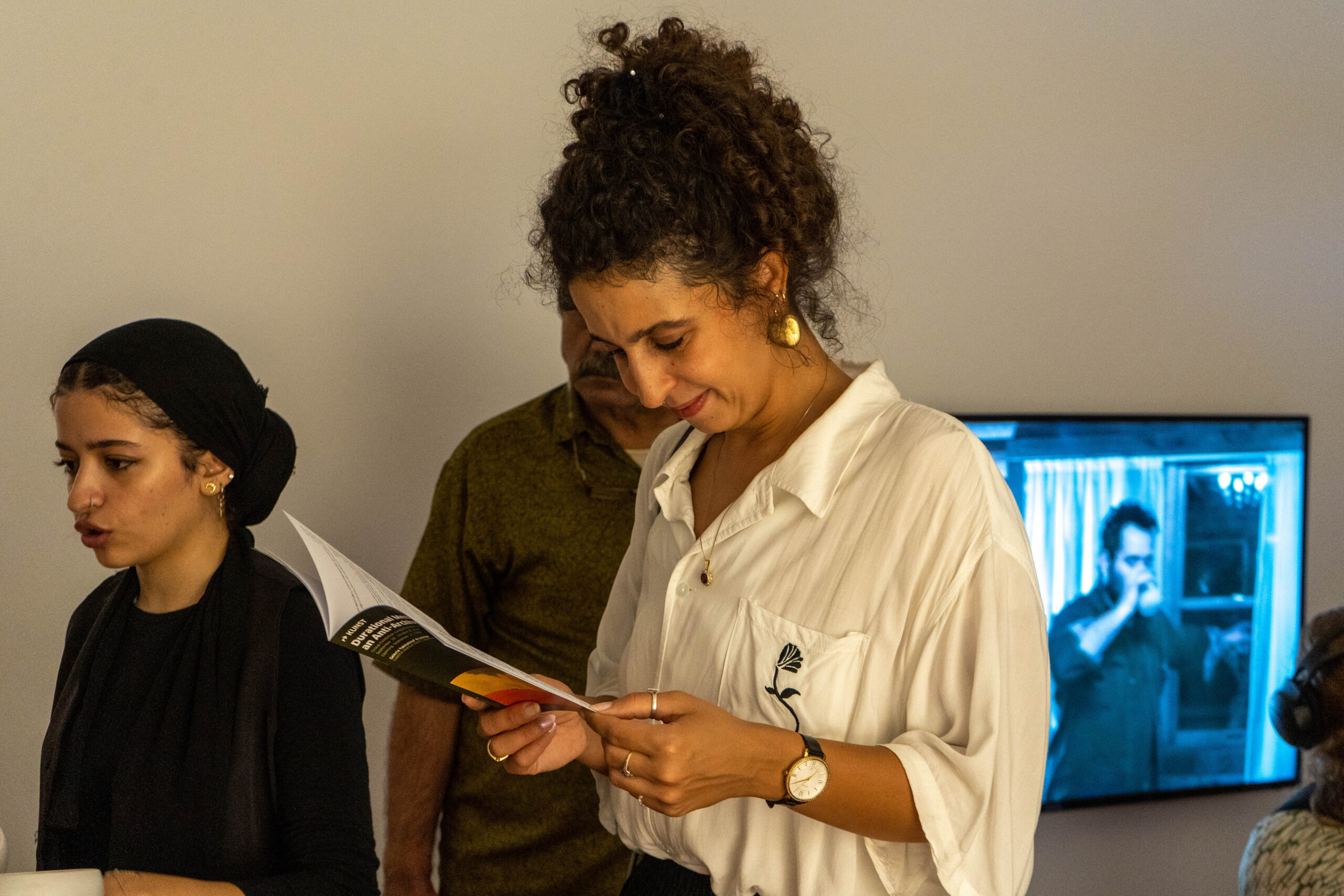
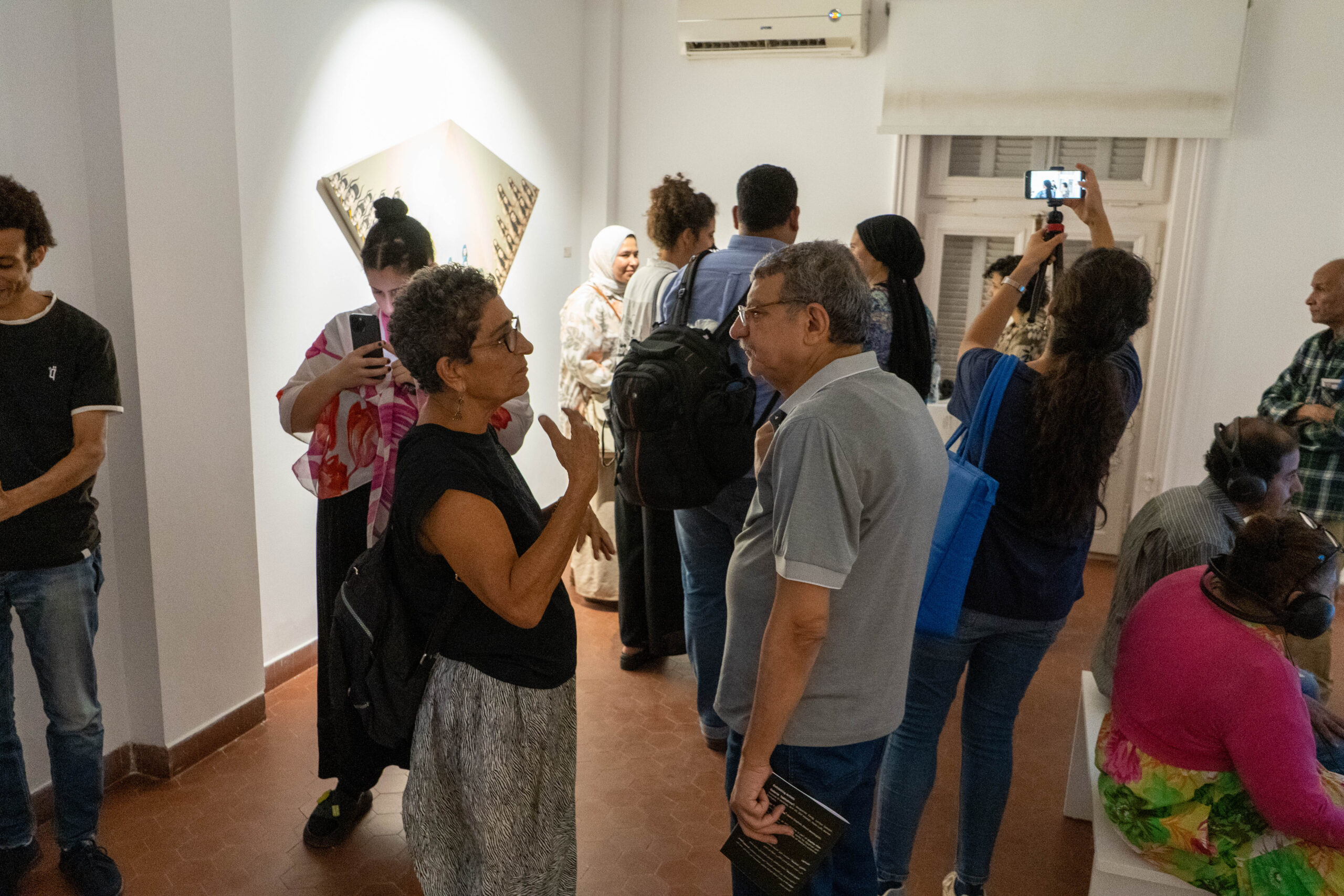
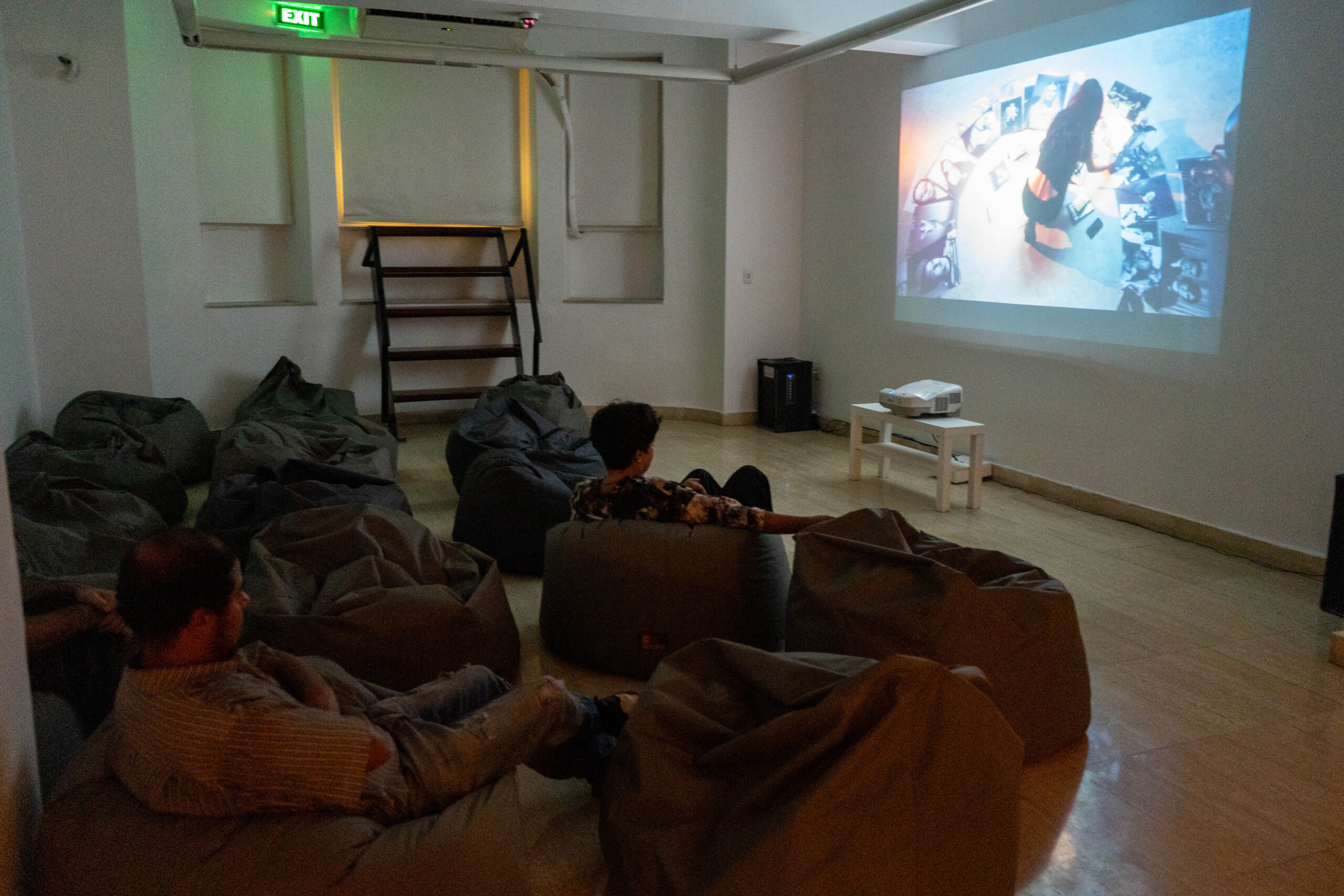
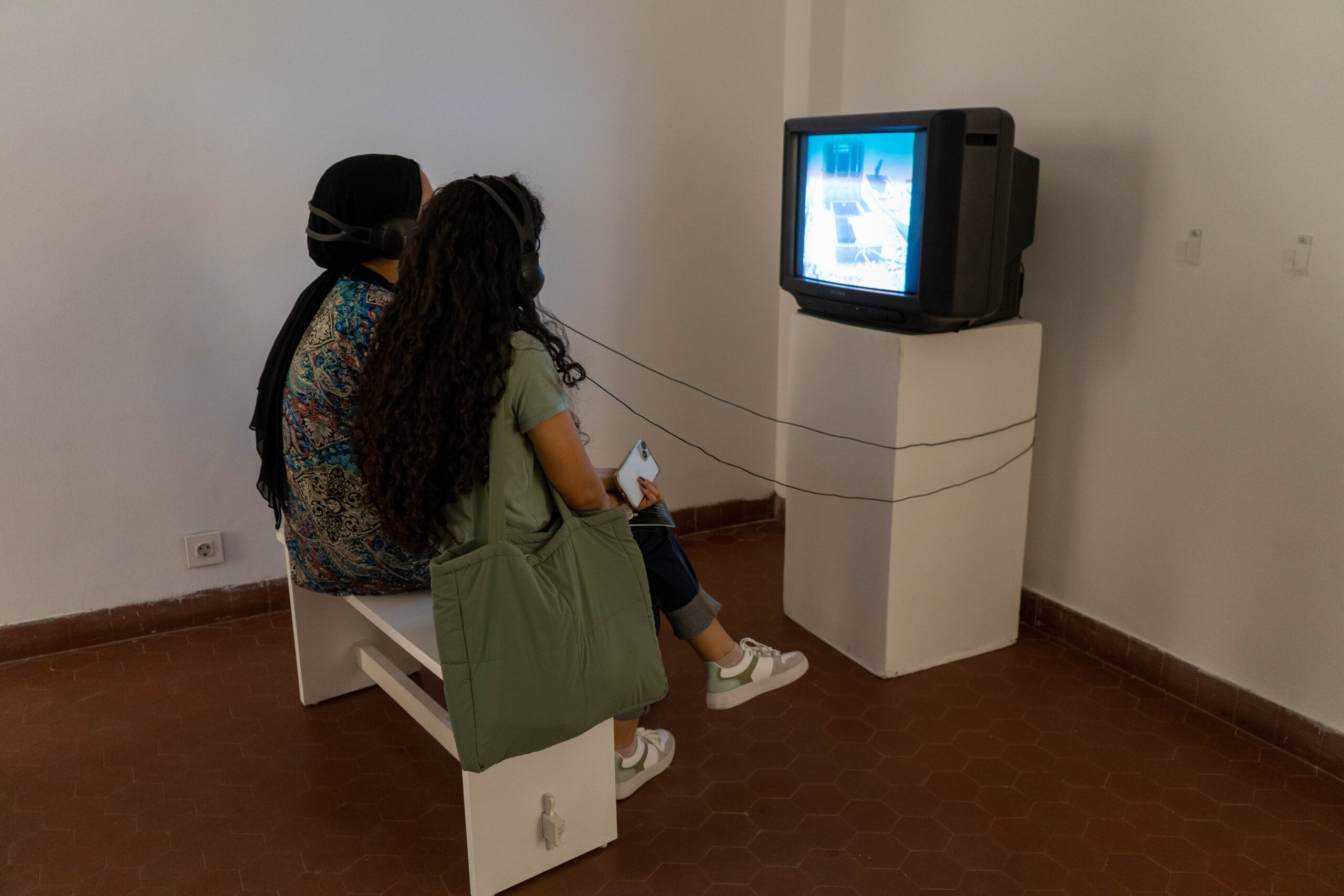
Curated by Raneem Elhaddad, Durational Memories: An Anti-Archive brings together a selection of works drawn from over a decade of Medrar for Contemporary Art’s archive, presented as part of Goethe Film Week 2024.
Opening: Tuesday 17 September, 7 PM. The exhibition is open daily from 4pm to 10pm
Address: Goethe Institute, 5 Al Bustan St, Downtown, Cairo
Exhibiting Artists:
Durational Memories: An Anti-Archive is part of Goethe Film Week 2024, featuring a selection of works by Egyptian and Arab artists, drawn from over a decade of Medrar’s extensive archive.